Boston's Cultural Struggle
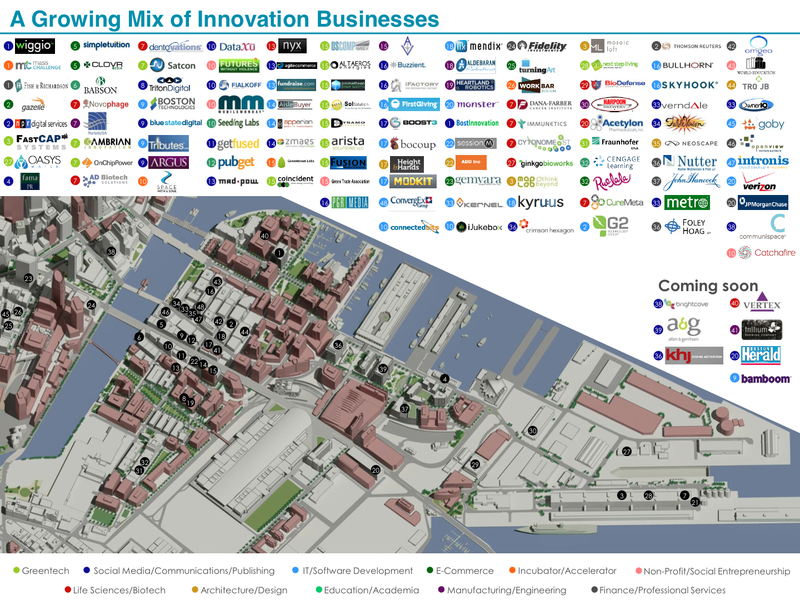
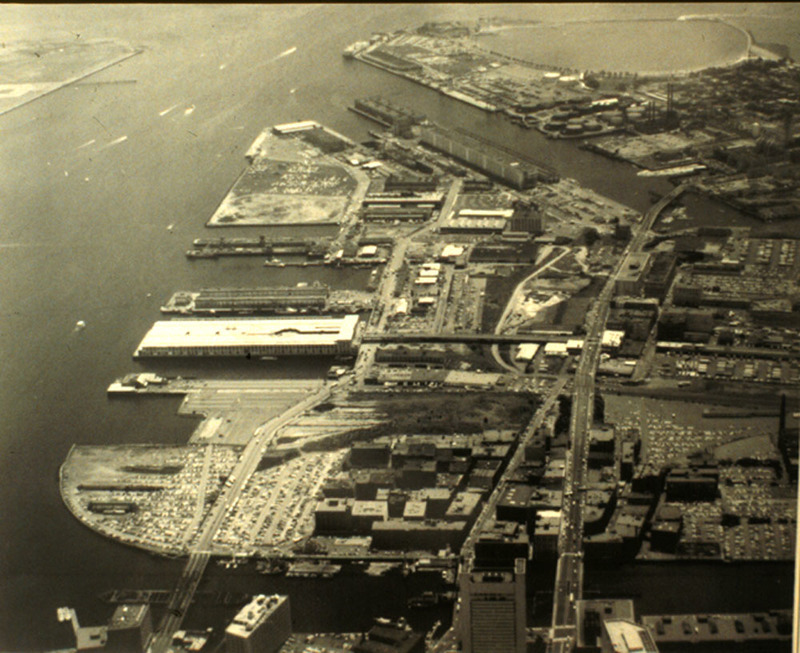
Leading the trek towards connected societies is perhaps the United States, and the city of Boston, like no other in the country, adapts to the trends of economy and culture of the country to maintain relevance in the eyes of the world’s populace. While some ideals are stalwarts in Boston, namely the focus on high education, other ideals are constantly updated. Take today’s Innovation District, the result of flipping the industrial focus of the Seaport District on its head, as an example of the rapid transition to maintain relevance in today’s world economy. In what used to be a center of manufacturing that maintained the lives of blue-collar workers, an emergence of service-based businesses has shoved the industrial identity of the district to the side. Instead of factory lines, port jobs, and fishing industries inhabiting the district and defining its activity, accelerators, software companies and financial services are dominating the identity and culture of the district. While this has progressed the notion of Boston as a hub of innovation and service economic production, the paramount industry in today’s world, the displacement of thousands of people’s lives has concurrently occurred. There has been struggle among the citizens needing to adopt technical skills to maintain their previous standard of living in addition to the confusion as to the identity of the district. One location in particular, No Name Restaurant, has maintained a century-old identity as a hub for the hardworking blue-collar individuals of the local district to eat and socialize after a day’s activities. One must ask how long such an ancient, by today’s standards, identity can hold relevance. As the people of Boston shift towards the identity as a globally connected and technologically apt people, will they hold on to the founding identity as a port city? Time will reveal the result of the shifting cultural identity.
In the literature of Boston, the shifting cultural identity has been depicted as a struggle among its citizens. In Robert Lowell’s Union Dead, he describes the ‘advanced’ contemporary world and its conception through the tribulations of a group of soldiers. Ironically, progress is depicted as stagnant and difficult to achieve. Edward Bellamy’s Looking Backward describes Boston’s identity in a hundred years’ time as a socialist utopia, however one without cultural identity. Both situations describe Boston’s struggle between maintaining a cultural identity that citizens can comfortably identify with while still striving towards international relevance. This struggle lies in the shifting waves of economic identity that clash with culture and the very identity of some citizens. This fractured identity amid a globalized economy severely disenfranchises the culture of the blue-collar class. Boston, in the wake of drastic changes, must either chose to somehow preserve the culture of decades’ past or invest in the transition towards a heterogeneous identity that adopts the patterns of a shared global culture. While Boston’s identity is fractured by global trends, other cities attempt to capitalize off global trends to maintain international relevance.