Harvey's Theory
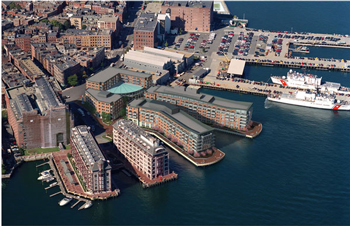
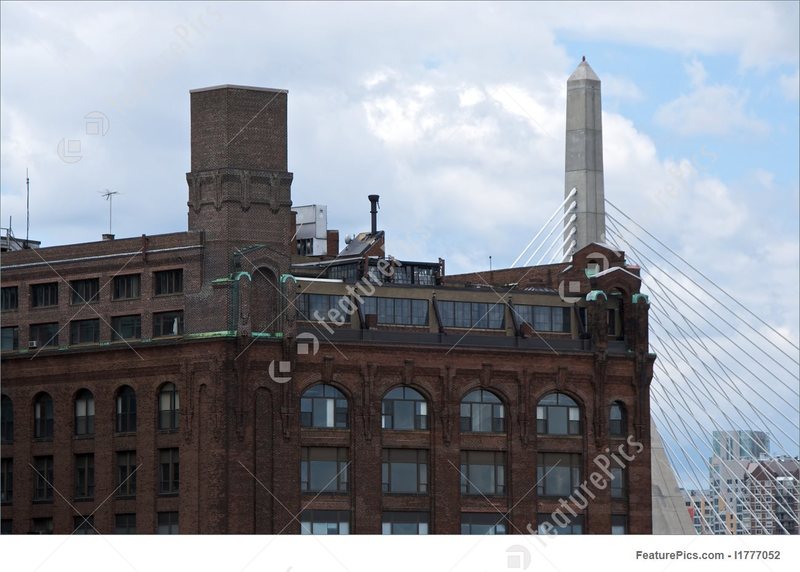
Sitting at the northernmost point of Boston, the North End (est. 1630) was a center of shipping and trade due to its waterfront that attracted merchants from far and wide. In many ways, the North End started in parallel with David Harvey’s philosophy on the Urban Process. The North End did in fact start from the “creation of a material physical infrastructure for production, circulation, exchange and consumption.” (Harvey 32). Merchants were some of the first settlers in the North End, where they purchased waterfront land, built warehouses, and initiated trade. Once again, in line with Harvey’s theory, the North End began to sprout its own factory system that grew out of mill-powered infrastructure that contributed to large economic growth and potential (Boston Landmarks Commission 2). By the 18th century, wealthy Englishmen saw the opportunity provided by the North End’s waterfront and preceded to build lavish homes (Vadum 1). Prior to their arrival, the North End hadn’t seen such wealth, as merchants were the only class of citizens who’d settled the area. This influx of wealth is what created the “physical separation between a place of work and a place of residence” for the North End (Harvey 33), a separation that Harvey explains such a capitalist establishment is founded on.