Introduction
The idea of the palimpsest was originally used to describe the pages of a manuscript. Due to the costly nature of parchment paper, manuscript pages were reused and the original text was scraped off. After each reuse, the manuscript retained traces of its earlier uses, and over time, the pages accumulated layers of various texts and ideas. This concept of the palimpsest is a crucial framework for our analysis of the urban environment. Cities, in many ways, evolve in a similar manner to the pages of a manuscript. Despite rapid modernization, cultural progress, and urban development, each city retains an enduring reminder of its past layers of history. Together, the accumulation of these layers define the unique identity of the city.

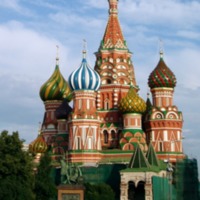

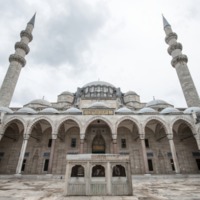
This essay will analyze landmarks, literature, and films to explore how the idea of the palimpsest has shaped the urban environment of Boston, Moscow, and Istanbul. In each of these cities, the military battles, political transformations, and infrastructure expansion collectively contribute defining layers to the palimpsest and ultimately lead to an unmistakable urban identity for the city.