New Centers of Control

In keeping with the trend of the Stalinist design movement of a post-World War 2 Russia, the government of Moscow decided to also erect buildings dedicated towards political service. This choice, like other Sister buildings, symbolized a fortification of the governing philosophy, and the grandiose size of the buildings would serve as a reminded that Russia and Moscow could be as lofty in ambitions as any other advanced capitalist country/city. The 1953 Ministry of Foreign Affairs of Russia main building, in addition to the 1953 Red Gate Building would represent established and sophisticated workplaces of political affairs.
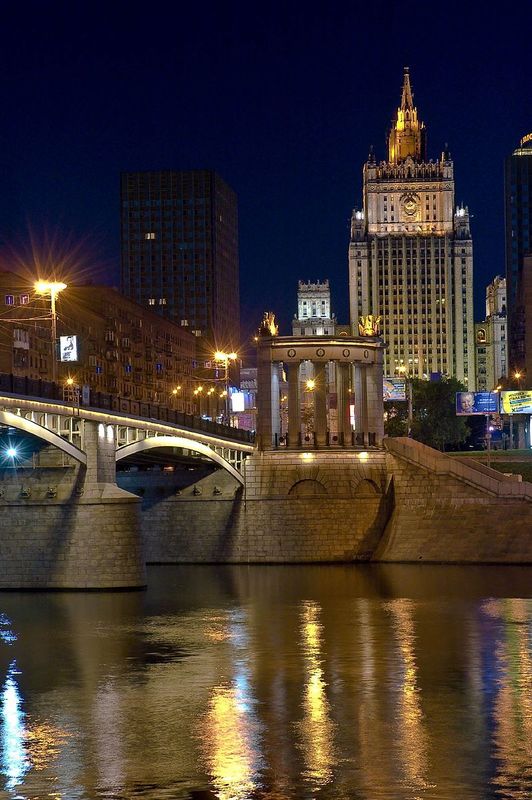
Of all Seven Sisters, the two administrative buildings have retained their principle identity, albeit with inevitable physical deteriorations. With the construction of these two buildings, Moscow administered a holistic reformation of their physical identity branching from education, housing, tourism, and political administration. Fittingly, the identity of their political philosophy certainly is not identical to the 1950s onwards, but a principle belief in the success of a nation through more communal efforts is evident still.