A New Orthodoxy
Peter the Great became tsar of Russia from 1682-1785, didn’t think highly of the church. Appointed all the bishops and the Holy Synod. At the same time, the church was expanding geographically.
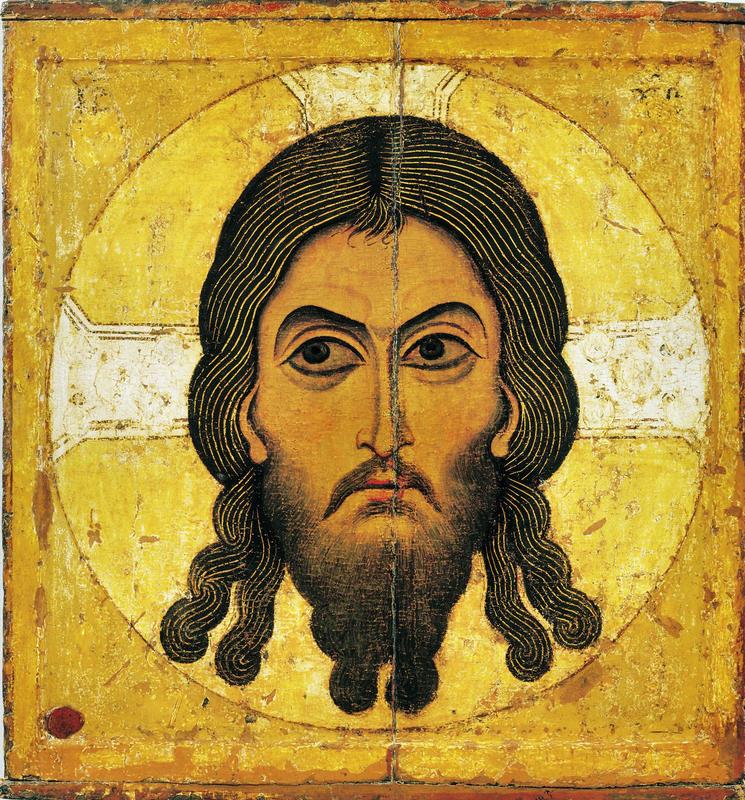
In the late 1800s, many educated Russians began attending services to reacquire some of the culture they had lost as the church had weakened. Similar spiritual movements such as baptism and mysticism also welled up among the lower classes, and pilgrimages and icons made a cultural comeback. By 1914, 55,173 Russian Orthodox churches dotted the Russian landscape.
The ROC had to go underground after 1917, when the “Red” communists defeated the “Whites” whom many church leaders had supported. For the first time, the church enjoyed no government backing, and in fact had to cut back on public activities under the “no religious propaganda” clause that the Soviet government enforced. The communists weakened and attacked the Church, viewing it as a counter-revolutionary force. They confiscated property, tortured believers, and used psychological punishment against priests. Seminaries and converted churches in Moscow in particular were closed down. The city of “Forty Forties” was no more.
1920s and 1930s, almost all clergy and many believers shot or sent to labor camps. 95,000 priest shot between 17 and 35. In 1927, the Orthodox Church accepted Soviet authority over the church to prevent further enmity. Thus began a period of cooperation of the government under Metropolitan Sergius, which was a source of contention between Orthodox officials inside and outside Russia.
World War II was the opportunity the ROC needed, as Stalin reimagined it as a patriotic symbol centered in Moscow, the government’s center. Churches were rebuilt from 1945 to 1959, reaching 25,000. Still, the discrepancy was great between Moscow, which had 212 churches in the eparchy, and Kiev, which had 582 for a much smaller city.
In 1959, the height of the Cold War, First Secretary Khushchev shut down twelve thousand churches and prohibited adherents from holding office until 1988. This year was the recognized millennial anniversary of the Baptism of the Kievan Rus’, and the government reversed its position on the ROC to celebrate the event and make it a national source of pride. And so the ROC has entered its latest mutually beneficial phase in relation to the local and national government. The Moscow Patriarchate has been criticized as being in cohorts with the KGB, but under Patriarch Alexy, the church has been resurrected. Russian Orthodoxy is a bit of a de facto official religion in Russia today, and the new “Project-200” to build two hundred new churches in the Moscow region is supported by both the ROC and the government.