Early History
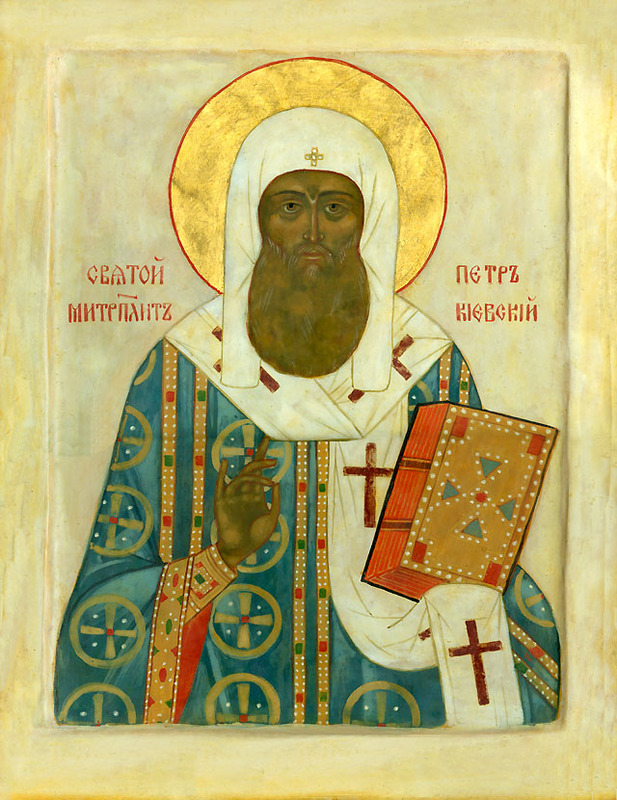
From the very beginning, the ROC and the Russian government have been intertwined. The year 988 is viewed as the founding of the Russian Orthodox Church because it was the year that Vladimir I, ruler of Kiev, adopted the religion of the Eastern Roman Empire as his state’s faith. As the power of Kiev waned, however, the head of the church Metropolitan Peter moved to Moscow, later becoming its patron saint.
Years of politics and geopolitics led to Moscow adopting the mantle of the “Third Rome”, a term coined by an otherwise insignificant Russian monk in the early 1500s but imagined even earlier. Rome had fallen to vice, according to many Russian religious leaders, and Constantinople was in a similar poor state. Since both the first and second Romes were patriarchates rather than metropolitanates like Moscow, the northern city retitled themselves after the other two. This created a sense of national updrift for the Russian people, as they were on an equal footing with western powers.
From 1682 to 1785, Peter the Great ruled as tsar (a derivative of the Roman "caesar") of Russia but thought little of the church's sovereignty. He engineered his control over the church by appointing all bishops and the Holy Synod. Rather than the previous system of synchrony and blurring of lines between church and state, the state was taking over the church. Yet the Church was also expanding geographically as the Russian Empire spread and strengthened under the tsar.