Mumbai
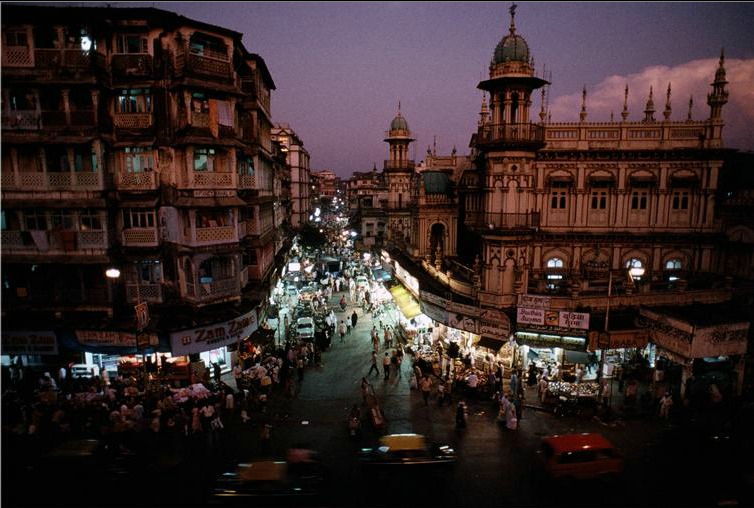
Far in the East, Mumbai was a modern city facing serious problems with its disparity between rich and poor. As Steve McCurry’s photograph of Mumbai center shows, the center of town is bustling with cars, business, and fancy lights. However, the reality of Mumbai is much different for the majority of citizens who live far below the poverty line. Though my Mumbai exhibit focused on how foreign influence suppressed Mumbai’s native identity, the new development in the late 20th century and 21st century shown in McCurry’s photograph is a great representation of the Mumbai that is beautiful and shown to the world. However, as Mumbai developed into an international city with dazzling colors, the slums of Mumbai grew much worse as all urban funding went to developing certain areas of the city, thus neglecting other parts. In the film, The Lunchbox, Saajan’s slum neighborhood is dirty, dim, and unclean. However, his workplace in downtown Mumbai is clean, lit, and pristine. Saajan is fortunate to have his job and be able to be in the nicer part of Mumbai. Mumbai’s situation falls perfectly into Wilson’s writing about the urban underclass. There have been dramatic changes in the slum neighborhoods: infrastructure has fallen apart and anybody with any wealth has moved out, discouraging any renewed investment in the neighborhood. For many people, they do not have the education or the opportunity to have a job like Saajan’s and as shown in the film Black Friday, the Mumbai underworld is large and ever expanding. Like Boston, Mumbai faces the problem of an urban underworld. The bigger problem is that the urban underworld is created in the urban ghettos by the profound social changes created by major urban development in richer parts of the city and neglect of the slums.