The Phenomenon of Urban Subjectivity
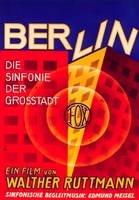
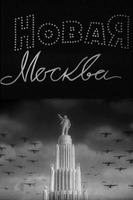
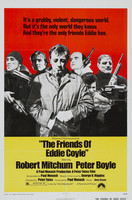
Using film to capture the urban environment filters the landscape through a lens of subjectivity that shapes our understanding of the urban space and the nature of its public realm. However, this filter creates an urban subjectivity that taints the tone of the portrayed city. Three works, Berlin: Symphony of a Great City by Walter Ruttman, New Moscow by Aleksandr Medvedkin, and The Friends of Eddie Coyle by Peter Yates each very different in their styles present three distinct cities. Yet after removing layers and analyzing the captured city, pieces of the real city are missing. Deconstructing the motivations for these films allows us to separate the filmed city from the multi-layered city’s true self – further comparison of the two versions show which sections of the urban context were altered to create the urban poetic ideal of the city, and reveal the urban subjectivities of the city.
______________________________________________________________________________
______________________________________________________________________________
This urban subjectivity when expressed through media works to create its own public realm. Richard Sennett defines the public realm as simply “a place where strangers meet.” These films create an impression of a city that could very well become the foundation for the understanding of the public realm. Foreigners, or strangers, meet the city through this media both visually and aurally, and understanding the bias and context of the media helps to better understand the true nature of the city’s public realm.