History of Social Justice at Emmanuel Church
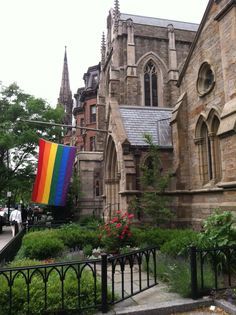
"Since 1860, Emmanuel Church has ministered on the margins", according to their mission statement. Above all else, Emmanuel Church cherishes their continued history of outreach to those in their community who are marganalized. This is most notable in their 1906 project, known as the Emmanuel Movement, which aimed to take focus off of religious practices and move it more towards self-help or theropy. This controvercial movement spread throughout the country and was one of the major preludes to Alcoholics Anonymous. After helping thousands of people in need of social theropies, Emmanuel church decided to continue their progressive social justice activities despite consistant backlash. This is seen today, most notably, in their early activisim on behalf of gay rights, their interfaith partnership with the Central Reform Temple, and their strong work in support of the Black Lives Matter movement.
The first two of four points in their mission statement:
-
Provide radical welcome to people on the spiritual margins, especially members and allies of the GLBT community, and interfaith families.
-
Serve and advocate for people on the economic margins.


The first two points of their mission statement (quoted above) state a focus on welcoming and inclusion. Emmanuel church goes above and beyond with their mission by being on the frontlines of, even the most unpopular, social action movements. Today their open support of Black Lives Matter lead to other churchs in the area to follow suit. Plus, they follow up their support with protests, discussions, and outreach for the issue.
They had the same amount of dedication when they partenered with Central Reform Temple back in 2004. Although an uncommon concept at the time, this partenership was on the forefront of the interfaith bonding movement. Since 2004, the two places of worship have built a deep relationship that embodies both group's ideals, most importantly, inclusion. Together the organizations host charity events, drives, and marches to spread their message of building community. My tour guide said that this idea of helping those on the margins is symbolized in the buildings original purpose, to provide a religious space for people from the new and underserved (at the time) Back Bay neighborhood.
Emmanuel Church, past and present, represents a stark contrast to De Certeau's view of city building by consistently trying to bring people together in order to weave a unified 'quilt' that considers the needs of individuals on the margins. Thus, Emmanuel Church's history of activism also mirrors a palimsest of progressive values throughout Boston's colored past.