Mumbai: Anonymity and Globalization
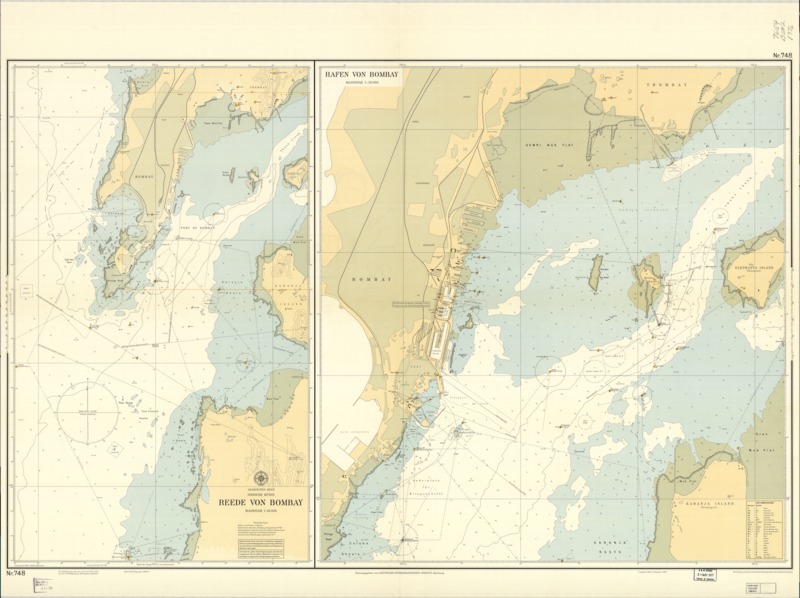
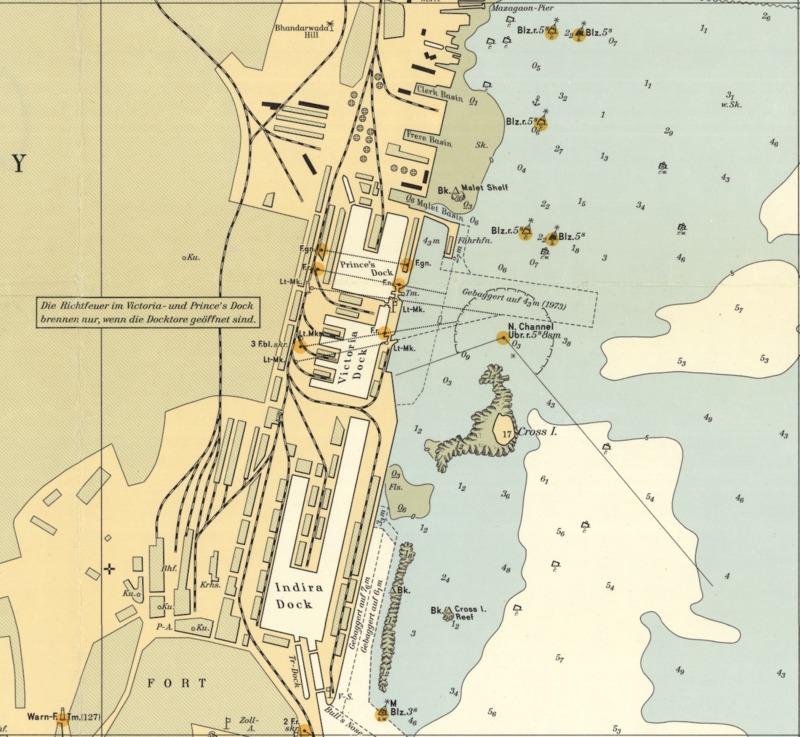
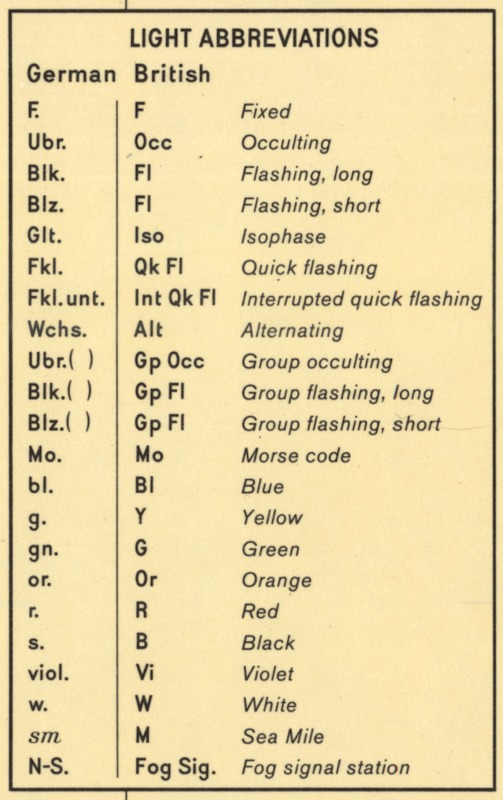
Anonymity returned as a major urban poetic in my study of Mumbai. During this unit, I studied the poetics presented by a German-made map of the Mumbai Port called "Hafen von Bombay, Reede von Bombay" (1). I discovered that the map was largely used for navigational purposes, denoting water depths and areas in which it was safe for boats to travel, as well as the locations of ports and lighthouses necessary for commercial entry into the port. Further, I was able to discern that much of the crucial map-reading information was not present on the physical map, but rather on "Map 1" of a collection from which this map was derived (1). As a result, I was able to conclude that the person reading the map would have had to have either the entire set with him or her, or some knowledge of the map's notations and workings. It's minutia and maritime language is alienating to the average civilian, but perhaps more interesting is the way in which the map represents an artifact of attempted language creation between otherwise anonymous people, strengthened through trust on the part of the viewer and creator that the language that have created together holds up (1). The map, like other forms of language and poetics, is a built technology that expresses a fear, an anxiety that without it we can't be seen and heard - that we will become anonymous.
Further, the map is one that takes into account mostly technical, navigational necessities necessary to the efficient transfer of goods through the Mumbai port. Far from attempting to reckon with a foreign culture or make human connections with the lives of Mumbai, the map is presented largely in German, with German abbreviations that make translation difficult (1). The map presents the perspective of the anonymous, disinterested trade vessel, in a globalizing world, whose goal of commercial exchange has little room for human or cultural exchange and little need for an identity beyond its commercial interests.
In "The Lunchbox, the theme of anonymity cannot be ignored; the entire plot centers around a man and woman who end up in accidental communication through a lunchbox messenger without meeting face to face, completely anonymous (2). Much like the map, the notes they pass to each other are the physical expression of their anonymity, and an attempt to bridge them through communication.
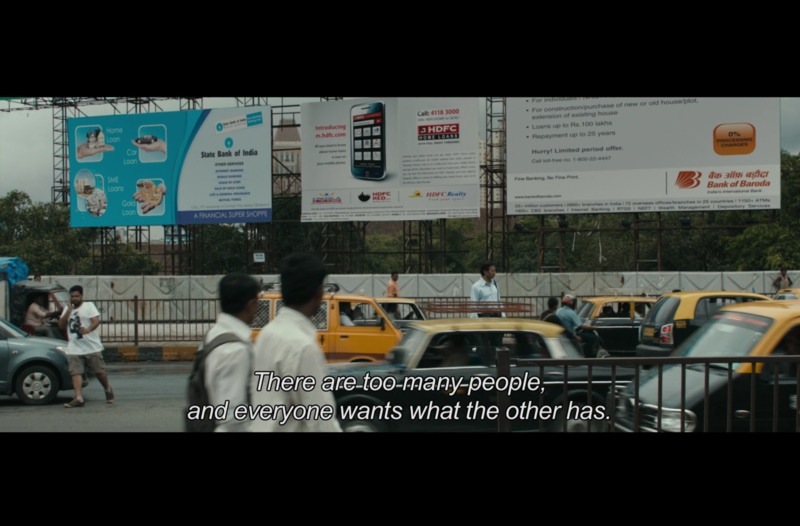
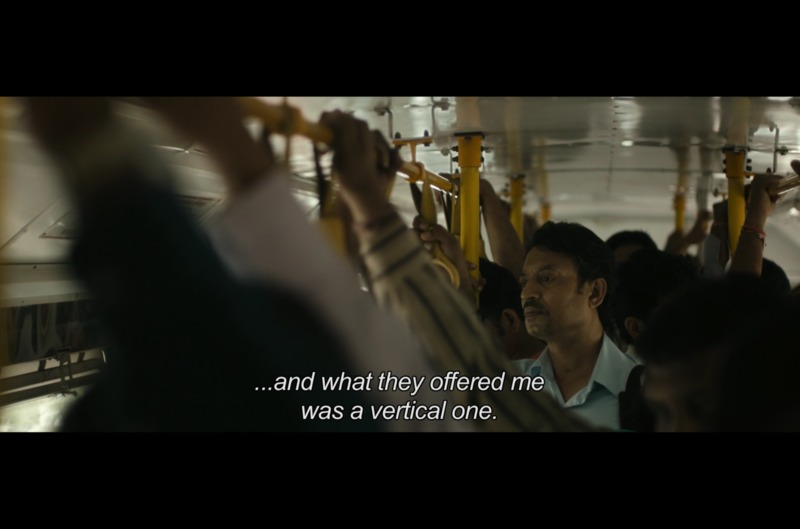
Moreover, globalization again plays a role in the film's treatment of alienation, anonymity, and problem of identity creation in Mumbai. In one shot, Saajan stands, blurred and almost unidentifiable, amidst traffic and in front of a wall of loan advertisements reading “Car at your command,” “Home loan in 6 days,” “SBI Car Loan” and even “Reap Gold through Gold Loans." Here, the film presents an anxiety over the difficult of creating an identity, of being understood or even seen at all in an overcrowded city landscape oversaturated with products and efforts to keep up with globalizing economic and social structures (2). In the final image pictured to the left, we can see Saajan, standing on a bus amidst a crowd of people, struggling to create an identity in the crowd. He explains that when he is buried, he will have to have a vertical coffin. In this morbid parallel to his visual posture, Saajan expresses the anxieties that emerge fromt he difficultly to carve out an identity in a cluttered and globalizing world in which the boundaries used to divide the self from others, to stake out a mental and in this case physical space in which to live in move, increasingly break down.
1. "Hafen Von Bombay, Reeded Von Bombay." Deutschen Hydrographischen Institut. N.p.: Harvard Map Collection, 1956. Print.
2. The Lunchbox. Dir. Ritesh Batra. Perf. Irrfan Khan, Nimrat Kaur and Nawazuddin Siddiqui. Walt Disney Studios Motion Pictures (India), 2013. Amazon.com. Web. 9 Dec. 2016.