Conclusion - Black Boston

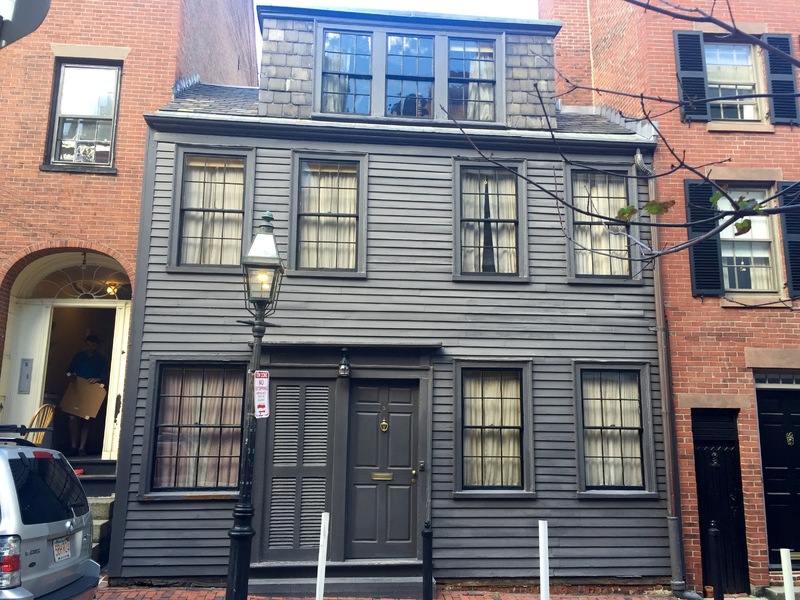
The site’s proximity to the Massachusetts State House and Boston Common, iconic markers of the city of Boston, places the Heritage Site amidst the greater timeline and landscape of the historically significant city of Boston. With the Robert Gould Shaw/54th Regiment Memorial planted right by one of the entrances into Boston Common, the central public park of downtown Boston and the oldest city park in the country, we are reminded of the fact that the history that the African American National Heritage Site exhibits is not a story separate from that of the city or even nation as a whole; it is very much connected with and an integral part of the larger evolution of greater Boston and America. The lives of the large free black community that was present in the northern slope of Beacon Hill are the lives of Bostonians and Americans, and one that defines the city of Boston. It is not a piece of history that can simply be displaced or relocated – that would fundamentally change its nature. The Boston African American National Heritage Site and the black community of Beacon Hill that it commemorates are just as integral to the city of Boston as Boston is to this rich history and the lives it narrates.