The Neighborhood

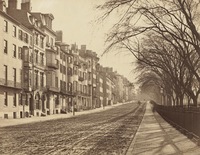
Overall, the neighborhood is incredibly picturesque and clean, composed of the iconic red brick, colonial-style row houses, the occasional pastel-colored wooden buildings, shiny black gas lamps, narrow but cozy streets, splashes of green from the leaves of trees and plants mixed in amongst the burnt red bricks. Likely a result of a fair amount of gentrification, the neighborhood is apparently one of the most expensive and desired neighborhoods in Boston[1]. It seems difficult to imagine that this area was once an active site of the Underground Railroad and civil rights movements, and the home to a predominantly African American community during a time in which racism and segregation still labeled them second class- not just because of the obvious visible change in the demographics of the neighborhood, but also due to its overall peaceful and warm ambience. The neighborhood is still very much historic, having preserved some major remnants of the struggles of the African American community in the fight for equality – yet at the same time, the emerging luxury and quaint beauty of the area almost mask the painful history that played out within those very same walls we see today.