Moscow's Geometry
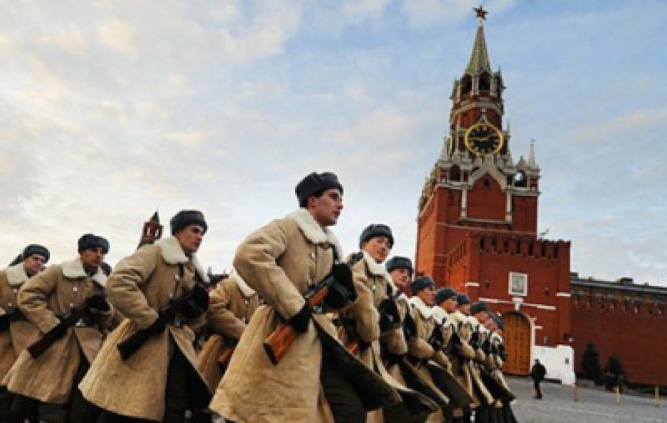
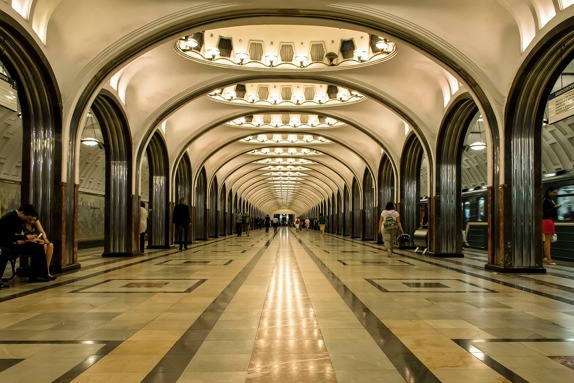
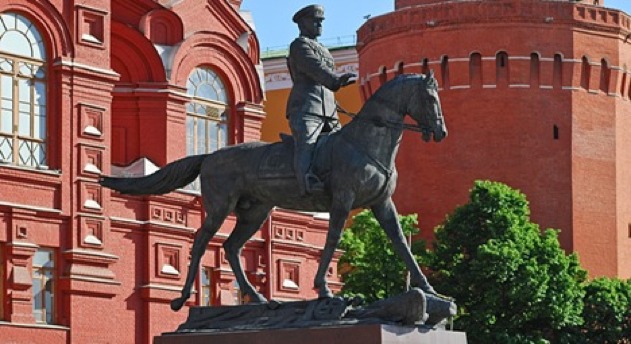
Moscow is a city that Corbusier might consider to be a city of tomorrow. Moscow is made out of a series of concentric circles that surround its city center. Looking at our four primary characteristics, some of which are discussed in Nyambi’s “World War II Commemorative Sites”. In this Omeka Exhibit, Nyambi references a monument to the infamous Marshall Zhukov which is located in Red Square. Red Square, located the very heart of Moscow, is a perfect example of the kinds of open spaces that Corbusier believes to be one of the necessities for a geometric city of tomorrow. Moscow also does well to decongest its center in the same way. The large presence of Red Square in the center of Moscow rules out any kind of congestion that could possibly rule Moscow out in this sense. Furthermore, the rings of roads that surround Moscow’s center serve this purpose as well. The rings take away much of the congestion that might flood the city and help distribute that traffic outwards. Speaking of transportation, the Mayakovskaya Metro Station is one of the many stops in Moscow that enable the accessibility to public transportation in Moscow. One can observe the prevalence of metro and tram stops all across Moscow from looking at the map I’ve embedded here. With all of these factors being taken into consideration, the question arises yet again: what in fact is the geometric city and what exactly are its benefits?
Moscow’s de-congested center is a bit self-explanatory in its benefits. Firstly, having a de-congested center allows for open spaces like Red Square to thrive as commemorative locations of Moscow’s history. Red Square’s significance depends on its ability to serve as a means of remembering those who fought so valiantly for the city. If an area like this was congested, it’d lose its importance. Increased means of transportation are key to ensuring that each corner of a city is accessible in one way or another, which in turn enables a city to augment its density. Knowing that I don’t possess the background knowledge that Corbusier does, I can only postulate that the combination of these factors result in a geometric city.