The City of Tomorrow
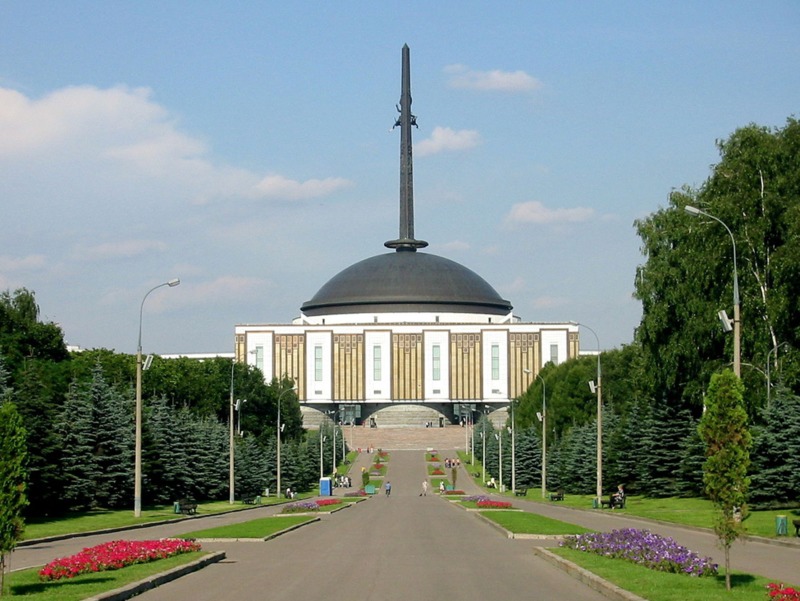
In theory, the city of tomorrow that Corbusier is describing is one that exists largely in theory. When discussing the idea of a geometric city, Corbusier is only loosely drawing connections to real cities. As a citizen of New York whose spent time in many cities, there are few times when I've felt as if the open spaces of my surroundings have let in the light that glistens over perfectly distributed layers of traffic the decongest city centers and augment density. In actuality, when looking at scenes from realistic city life, as depicted in movies such as Ruttman's "Symphony of a Great City" and Fritz Lang's Metropolis, it is the nature of cities to be packed in the center and dispersed across the edges. While ideal, a city of tomorrow is something that should be observable given the time frame of the texts' creation. In some ways, we've even achieved what Corbusier has postulated.
"This great density gives us our necessary shortening of distances and ensures rapid intercommunication."
- Le Corbusier(349)
Little did Corbusier know, this foresight was incorrect in its means for attainment. Rapid intercommunication is what the cities of today thrive on. However, this is not the work of augmented density, but instead the result of technological advances which are cultivated and enjoyed in cities across the nation. I am not saying that corbusier was totally wrong in all of his assumptions, however, his trajectory was a bit off.