Beginnings
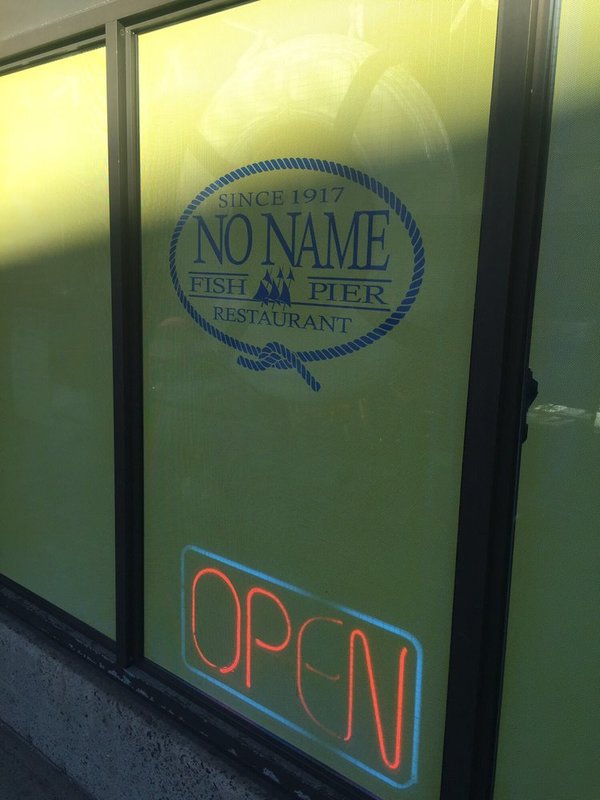
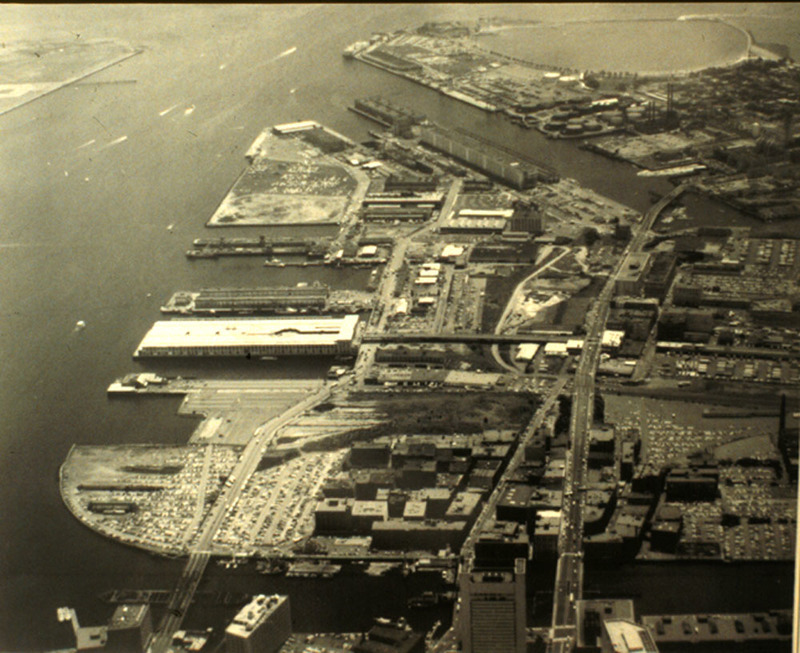
Few ideas, objects, and places have withstood the test of evolution over time without changing fundamental principles. Often times, the identity of something must dramatically change in order to accommodate into an ever more complex society and world. Celebrating 100 years of existence next year, ancient by culinary standards, NoName has squashed the notion of radical change as a natural process for success. Conceived during World War 1 in the middle of Fish Pier, NoName Restaurant served as a place of rest and supper for fisherman undocking from long days out at sea (1). Nick Contos, the founder of the establishment, envisioned a modest place for laborers and middle-class folk alike to sit-in and dine with locally caught cuisine. The name NoName came from Contos as an answer to fishermen asking what the name of a small shack at the time was called. Answering, “No name! Just come grab a bite!”, he unintentionally created the name of a Boston landmark that would endure for a hundred years. While the restaurant itself hasn’t changed its identity over the decades, the same cannot be said for the district and its surrounding area.
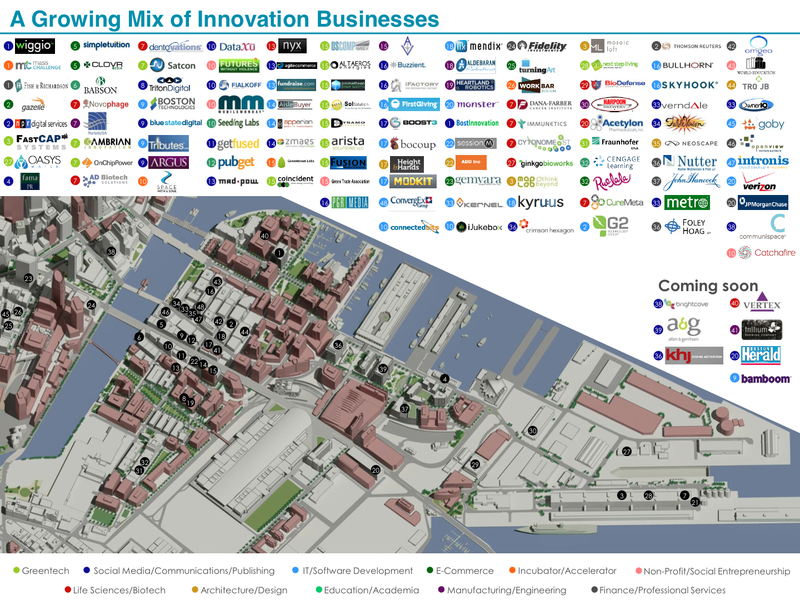
Michel de Certeau writes about the layering of particular cultures as history progresses in “The Practice of Everyday Life” saying, “People moving through the city at ground level write the ‘urban text’ without being able to read it. The city is provisionally created as a patchwork quilt of individual viewpoints and opinions. ‘The created order is everywhere punched and torn open by ellipses, drifts, and leaks of meaning: it is a sieve-order.’” The Seaport District, modernly known as the Innovation District and home to NoName, in particular has been a quilt of economic, cultural, and architectural progress with each particular era of the region laying down its work on the identity of the area as a whole.
NoName Restaurant stands as one of the few remaining constant variables in the stream of updates on the Seaport District. Intentional or not, NoName seems to preserve a rooted cultural identity whose essence is the glorification, or at least respect, of hard-work, simplicity, and tight-knit comradery among the local workers. The layering of what stands today, particularly neighboring the restaurant, juxtaposes the industrialist world of old with the service-based economy that is burrowing through today. NoName, however, stands true to its fundamental identity and has resisted the wave of new cultural trends; the lone anomaly in piercing the fundamental identity is the creation of a website promoting their restaurant.
Sources: