Staying True While Improving
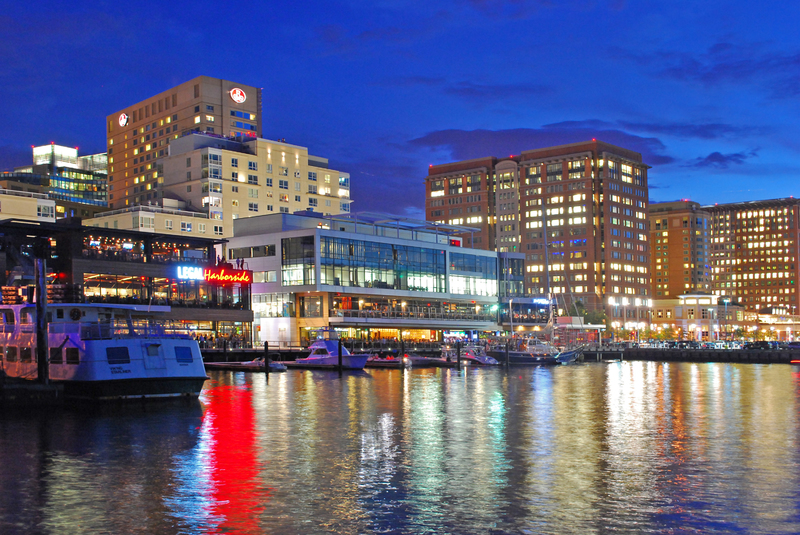
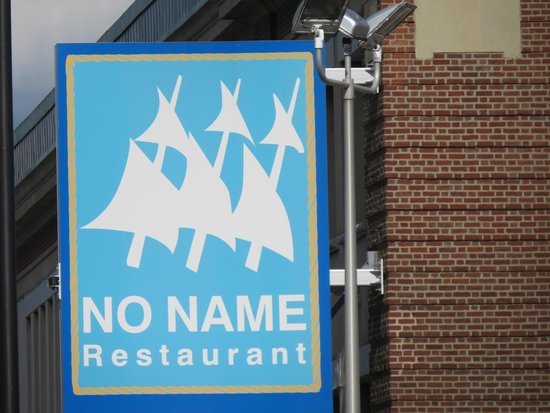
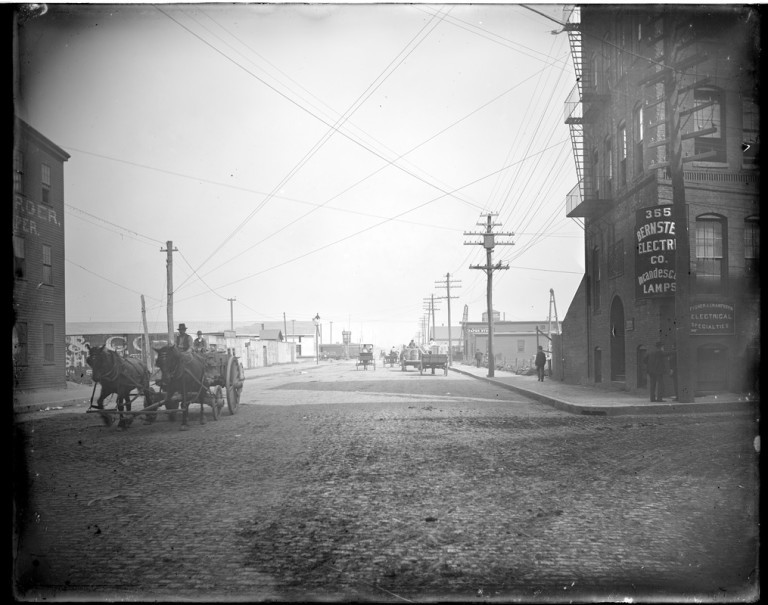
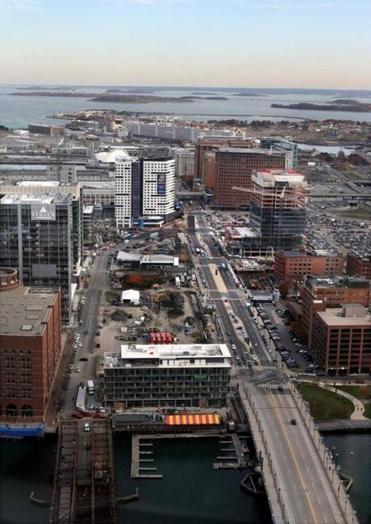
The defining geographical feature of the restaurant is its proximity to the ocean, a few feet to be more precise. Straight from the depths of New England waters, NoName’s sea food cuisine is caught and cooked with little to no interference from third-parties. The extremely convenient location of the establishment adds to the lore of it being a haven for the fishermen and industrialist workers of old. The industrialization of Boston provided ample opportunity for the restaurant to bring customers with modest backgrounds looking for familiar environments. Starting out in the First World War, the industrialist and manufacturing scenes of the United States, and especially Boston, catapulted to historic heights. Blue-collar workers from all fields congregated at NoName in the afternoon for lunch and evening for dinner. Now a bit more diverse in its outreach to customers, NoName targets families, blue and white collar workers, celebrities, and college students alike. This integration of different economic classes is unlike the Seaport that usually has had a singular narrative for the specific period of time. During its primary years, the Fish Pier and Seaport was a place abound with fisherman in their denim overalls whereas now the common sight is a startup company owner sporting a new linen suit. NoName now includes fisherman and business owner alike within its confined walls.
The further integration of all economic and social classes is proof to the subtle changes that NoName has adopted from its surrounding contemporary companies. The ambiguous identity of the Seaport and acts as a young, confused entity while NoName stands as a cultural monolith, and perhaps the still of this restaurant is for the best of Boston.