The Reality of the City
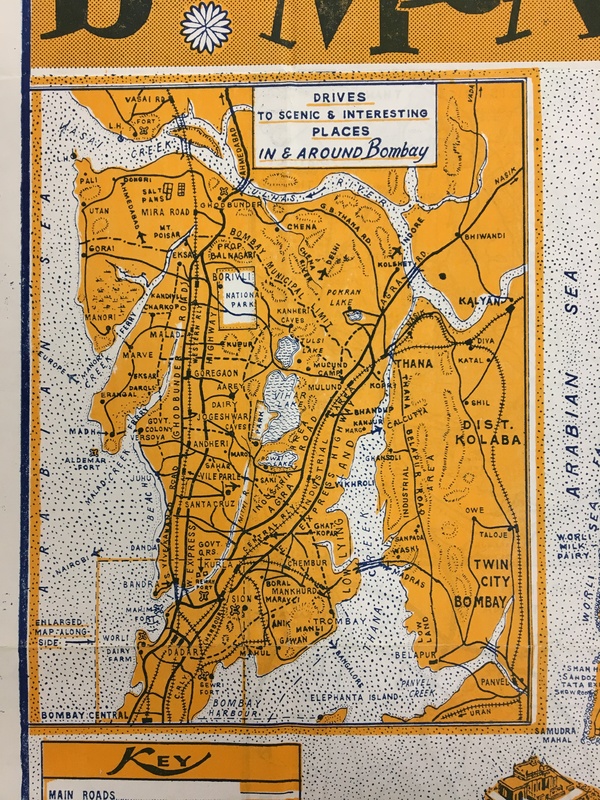
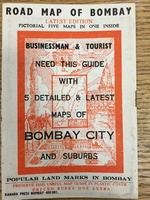
The essence of “Road Map of Bombay” displays tourism and globalization, coining Bombay as an international city. Although 1970 Bombay was rich of culture and was growing as a financial center, it was still not entirely developed as a global city, unable to maintain rapid industrialization and lacking cohesion between its past and present systems. The map in "Road Map of Bombay" depicts the city as a fantasy for travel by including charming design features and effortlessly comprehendible keys. In reality, Bombay isn’t that simple. Its nature as a growing financial center was a facade for its actual struggles—inequalities regarding its economy, wealth, and development. Therefore, despite the map’s narrative of Bombay as a global city, 1970 Bombay was still in the process of becoming an international power, attempting to amend its contradictions and promote constructive development.