Introduction
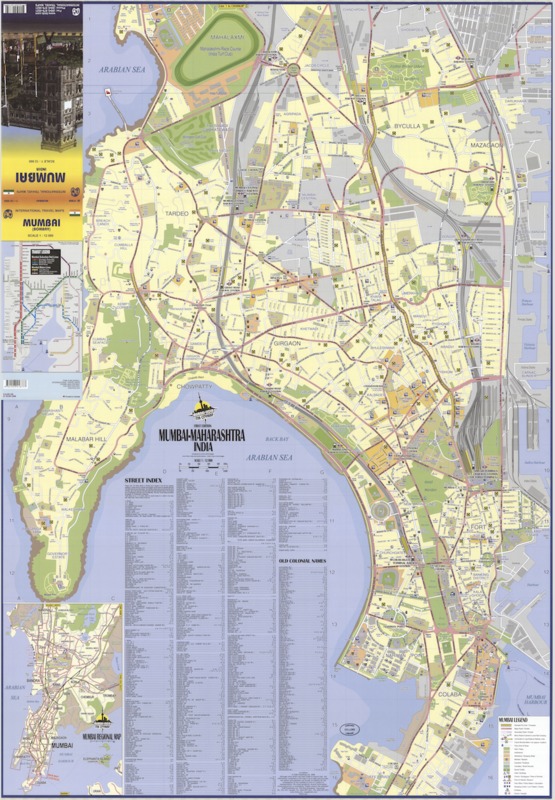
Mumbai, like many other cities of our time, has significantly presented itself as a dynamic and transforming metropolis, especially in the last couple of decades. This can be witnessed through the city’s booming economy, the increased wealth of its residents, and the stark globalization that has become apparent through a spike in tourism and a changing urban culture. As India’s financial and commercial center (1), Mumbai has experienced and demonstrated bustling growth and prosperity, especially in its more commercial and urban centers. However, also as India’s most populous city and one of the most densely populated urban areas in the world (1), Mumbai is also home to economic disparity, a large resource and economic setback in more than half of the city’s population who live in slums (2), and extremely prominent overcrowding that has hindered growth in many ways. It is fascinating to see both these qualities of the dynamic city depicted in contemporary literature, film and even cartography. ITMB, or International Travel Maps and Books, published an international traveler’s map in 2008 as shown to the left, which beautifully captures the booming economy, tourism and globalization that has occurred and is ongoing in the vibrant metropolis. However, the map, which was created by cartographer Andrew Alfred-Duggan, presents Mumbai as this rapidly changing and increasingly bustling metropolis amidst also a simultaneous but unavoidable existence and prevalence of economic inequality, slum housing, and overcrowding. While the notions of tourism, globalization and prosperity are apparent through more traditional and straightforward concepts of the map, analyzing the map further through looking at its boundaries and omissions brings to light more complex issues in the city that contains a simultaneously much less extravagant urban lifestyle.
Works Cited
1. Raghavan, Chakravarthi. "Mumbai." Encyclopedia Britannica Online. Encyclopedia Britannica, 27 June 2016. Web.
2. Patel, Sujata. "Mumbai: The Mega-City of a Poor Country." The Blackwell City Reader (2002): 73-77.