Late 20th Century Incidents
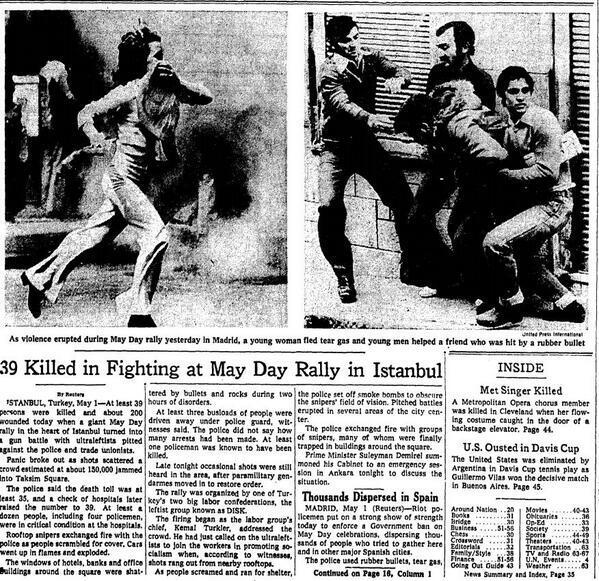
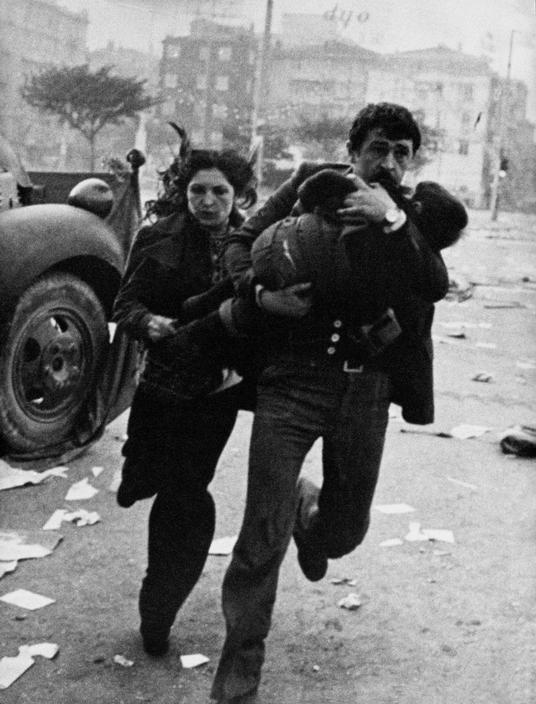
Attacks that shook the 1977 celebration of Labor Day in Taksim Square resulted in the deaths of dozens of citizens, a conflict that would result in the ban of the square as a place of massive social gathering. Approximately half a million citizens gathered in the square to celebrate the international holiday when gunfire opened into the crowd from assailants located high up in surrounding buildings. The perpetrators were never caught or prosecuted. The attack came within a decade of what is known in Istanbul as ‘Bloody Sunday’ on February 16, 1969 when hundreds of leftist demonstrators were attacked by radical conservatives.
While the bloodshed that occurred within the span of the decade within the confines of Taksim spurred a ban on unofficial mass gatherings, the city has since lifted some restrictions so that organized celebrations and civil protests can occur. Overall, the incidents of mass violence that occurred at the square represents Istanbul’s political conflicts that have and continue to pervade the life of the average citizen. In attempts to validate the political agenda of their affiliation, assailants have caused domestic harm to exert political dominance over the city. The square acts as a political battleground where opposing ideologies compete, although most issues have been debated civilly, for the city’s overall political identification.
The square, in regards to the political tensions that occurred in the late 20th century, acted as a space for ideas to wage war with one another. Some ideas represented the neo-colonialism attributed to past regional inclinations while others represented the wave of leftist belief that opposed the traditional ways of political conflict. Again, the conflict between the history and memory of the location acted as a springboard for conflict among ideas that fought for validation among citizens of Istanbul.