Modern Times
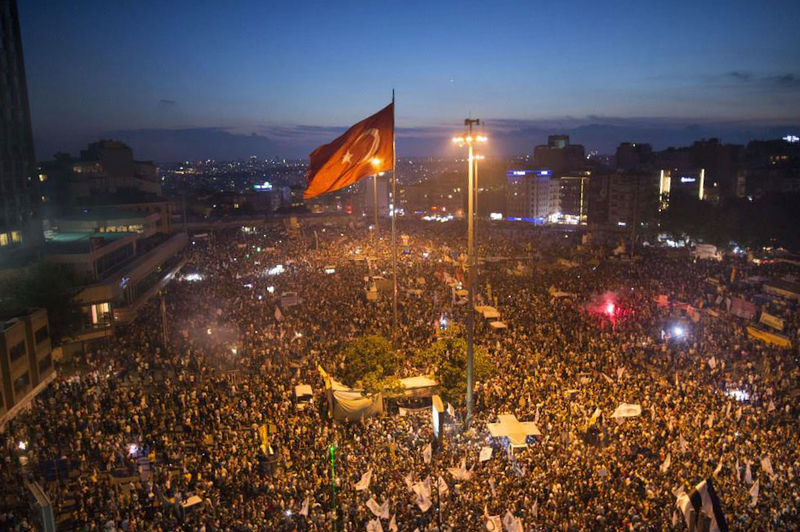
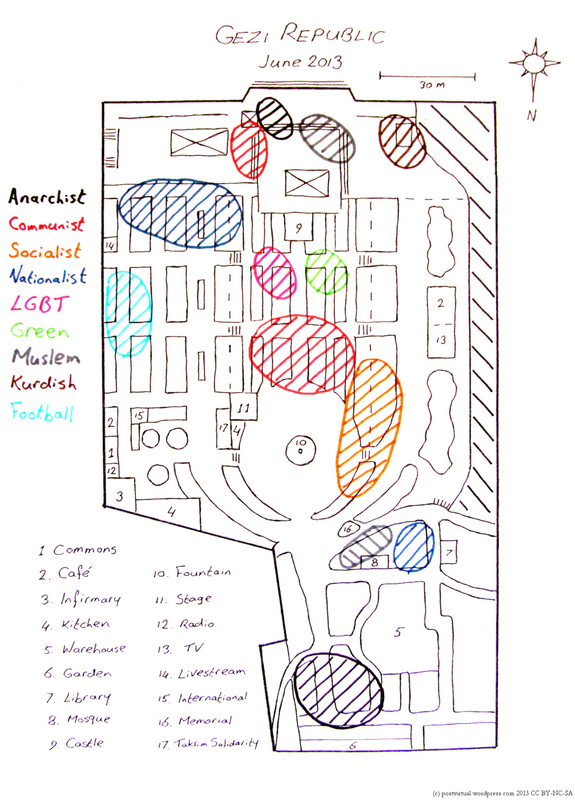
The protests that started in 2013 because of the government of Istanbul’s intentions to utilize the square’s space once again as a location for military barracks in a step that would tie Istanbul to its past, a move that was met with severe disapproval among the citizens. Angered with the deconstruction that would take place within Gezi Park and on, many citizens occupied the park and square to stand in protest to the actions of the government. The civil unrest ultimately resulted in the assailments on several citizens by government and military forces that caused hundreds of injuries in addition to the death of several citizens.
Social media played a critical role in the spread of knowledge on the situation considering the government’s censorship on the issue throughout the local media. By assimilating via the communication through social media, citizens and people around the world were made aware of the conflict occurring between the two forces. This widespread awareness led to millions of activities becoming involved in the matter and protesting in person to call for the government’s cease in reconstructing the military barracks that once dominated the park’s space.
The protesters ultimately won the overall conflict and the park remained open to the public with the plans of the government’s restoration project being cancelled. The result also led to the government’s laws being more restrictive of Internet access so that citizens find it more difficult to massively spread information throughout the city and world. The park’s usage as a battleground of ideologies and values between the citizens of the city and the government exemplifies the battle of the space’s essence acting as the memory of the citizen’s collective experiences and the history that came to define the park’s usage. The government’s insistence on utilizing the space as a utility that existed nearly a century prior shows the space’s symbolic power in portraying the essence of Istanbul’s values, a power that dates back centuries in the history of Istanbul.