Background and Initial Impressions
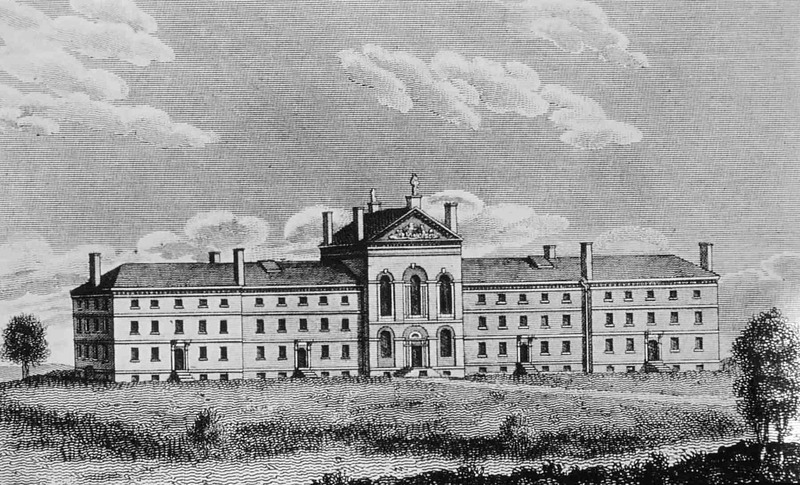
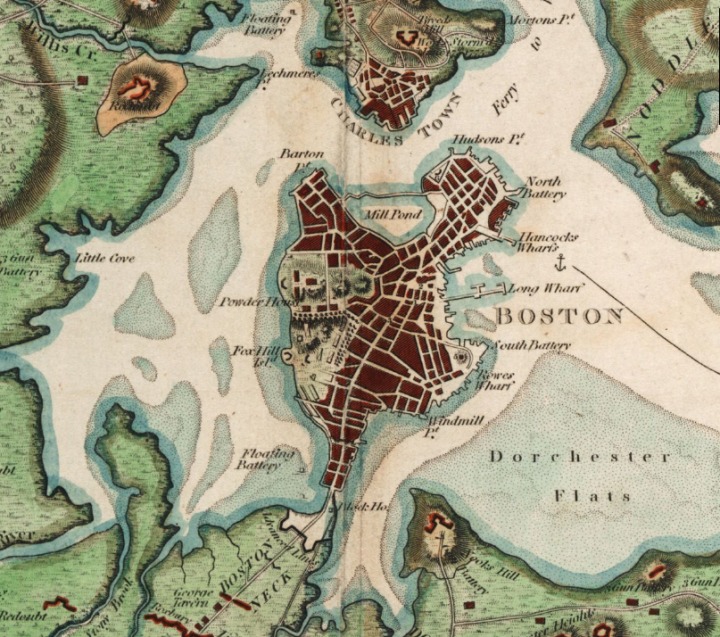
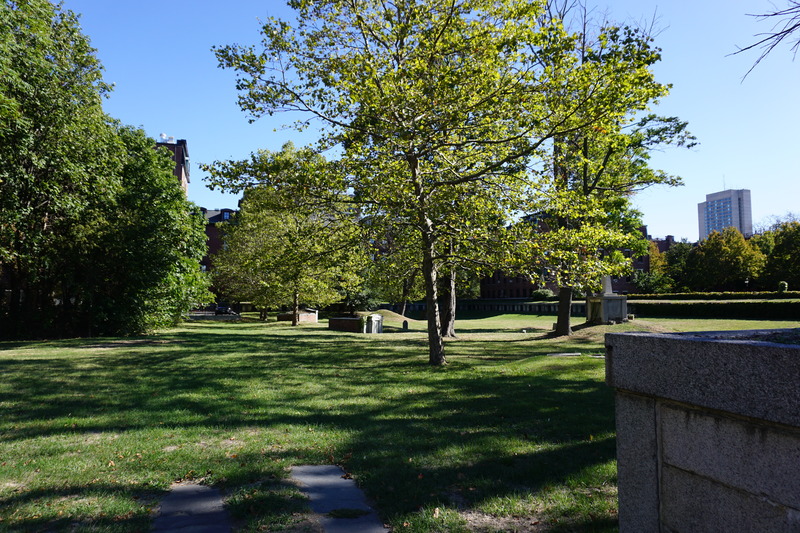
The South End Burying Ground is nestled in a quaint area in the South End and is surrounded by multiple buildings. Its main entrance, across from a few commercial buildings and the famous Flour Bakery, is located on the bustling Washington Street, which is one of the main arteries to other parts of Boston. Opened in 1810, it is situated on a "narrow strip of marshland" called Roxbury Neck and is near the tidewaters of South Boston Bay (1). Since it is so close to the South Boston Bay, there have been myths about pirates and other seafaring folks being buried here even though due to the lack of documentation, it is difficult to access the precise occupants of these graves (3). However, there are reports that indicate that this graveyard contains the remains of paupers and inmates from the Boston Almshouse and the House of Industry, suggesting that despite of the elegance of the site, it houses the graves of people from the less respectable and powerful parts of society.
When I first visited the South End Burying Ground, two particular details stuck out: the discreetness and sparseness of the site. First, what was particularly interesting is how inconspicuous the site is, for it was bordered on all four sides with imposing, grey, and concrete walls that obscured the view of the cemetery save for two black metal gates on the opposite sides of the site. It was so indiscreet that when my cab driver first dropped me off at my destination, I thought he had made a mistake because I could not spot the site from the street. Instead of an open graveyard that I envisioned, there was just a vast expanse of grey stones that composed the wall protecting the site that stretched for nearly an entire block.
Works Cited
(1) http://www.cityofboston.gov/parks/hbgi/SouthEnd.asp
(3) http://www.interment.net/data/us/ma/suffolk/south-end-burying-ground.htm