Hidden Under Silt
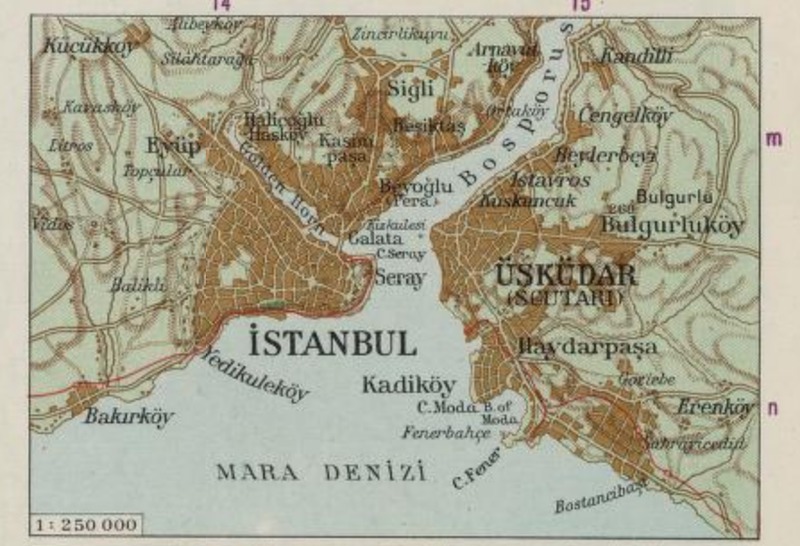
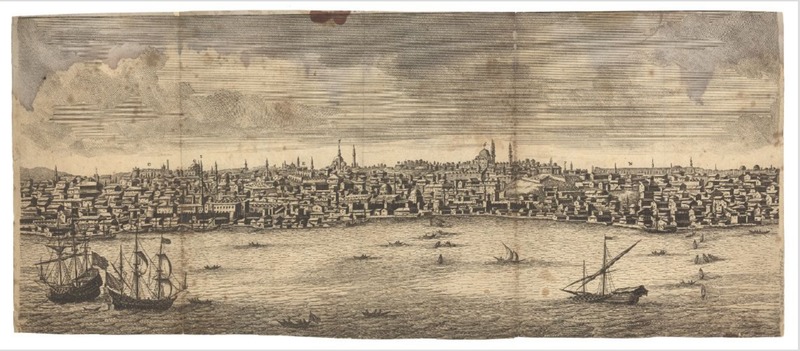
Though the Theodosian Harbor became buried under layers of silt, in its prime and right after, the port was a bustling area of trade and ships. 37 ships, from the 5th century to the 11th century, were found in a 21st century excavation of the area, and the ships tell of a unique turning point in naval history. As Istanbul, then known as Constantinople, itself is at the center of east and west, at the center of an immense amount of cultural exchange and change. What the Institute of Nautical Archaeology found was that Constantinople was drawing in commerce from far reaching parts of the world based off how the ships were different from each other and matched ships from other regions. They also found that Constantinople and the Mediterranean had shifted from shell-based shipbuliding to skeleton-based building.
The advancement in ships comes, as lead archaeologist Cemal Pulak, suggests through an intense amount of cultural exchange, and shared learning and knowledge in the first millennium AD. As a lieu de memoire, Istanbul's status does not change. The Theodosian Harbor fully represents, especially with the diversity and improvement in ships found, the Byzantine Empire and Istanbul at its peak. The Theodosian Harbor embodies all that the era offers, whether its culture, commerce, or innovation.
Nora, Pierre. "Between Memory and History: Les Lieux De Memoire." Representations 26.1 (1989): 7-24. Web.