The Importance of the Grass-Roots Perspective
“The Concept City is decaying…Rather than remaining within the field of a discourse that upholds its privilege by inverting its content, one can try another path: one can analyze the microbe-like, singular and plural practices which an urbanist system was supposed to administer or surprise; One can follow the swarming activity of these procedures that, far from being regulated or eliminated by panoptic administration, have reinforced themselves”
- Michael de Certaeu, The Practice of Everyday Life pp. 113
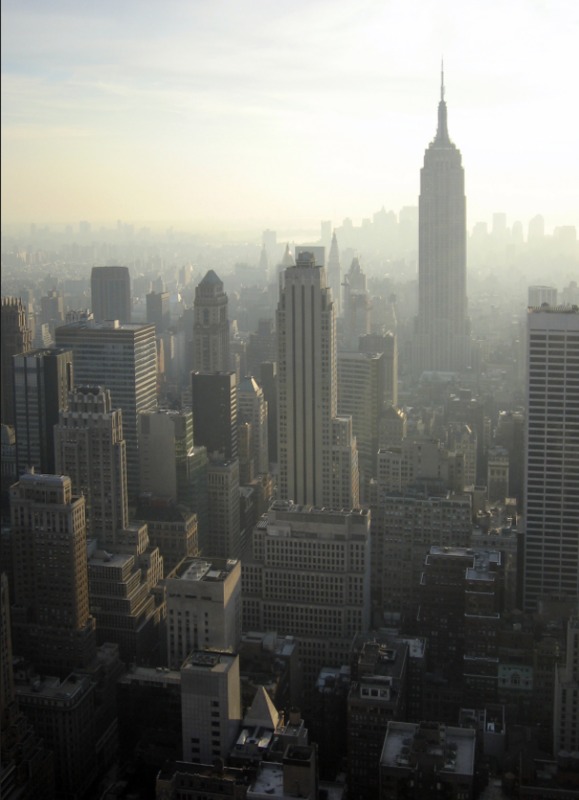
De Certaeu’s moving urban commentary The Practice of Everyday Life notices a subtly of the urban landscape that is so often missed in the observation of cities: the power and beauty of everyday, ordinary living. De Certaeu stipulates that above all, the wonderers and walkers of the city yield the true power of defining their urban spaces by their affirming usage of space and free movement. As a foreigner looking in, the perception of a city is usually simplified. It is a panoptic approach to experiencing the city, overviewing the place to get a feel for what it offers rather than seeking to deeply engage with the complexities that the city possesses. As urban imagineers in this course, there was a conscious effort to mitigate such a cursory viewpoint and instead embody de Certaeu’s microbial inspection: the focus was to understand the city from the eyes of those who walk it, shape it and live in it.

The concept of exploring the local street-level essence of a city through an anthropological lens of an individual’s life was one of the most crucial urban themes, in part because it gave a new perspective in which to approach city research. This vantage point punctures through the blanket stereotypes and simplifications of cities to uncover the beautiful intricacies that buzz inside the city’s experience. Through the eyes of the powerful walking subject, one can pick up the idiosyncrasies of a city’s remembered past, a glimpse of its embraced culture and the unique urban attributes that make the area home for locals. Rather than encouraging a perspective that requires minimal actual interaction with the city’s fiber, it places voice to the powerful local individuals as they deserve. This grassroots viewpoint minimizes the danger of stereotyping, “touristifying” or commodifying the city as a monolithic unit: it is the strongest attempt of authentically portraying a society’s complex identity and how it is intertwined with its modern surroundings. Through the city explorations of “Repressive” Moscow, “Mystical” Istanbul and “Exotic” Mumbai, the simplistic concepts and stereotypes of a city were turned on their heads. The individual’s viewpoint showed a far more beautiful and complete picture of what a city truly is like.