Moscow, Strengthening Individual Voices
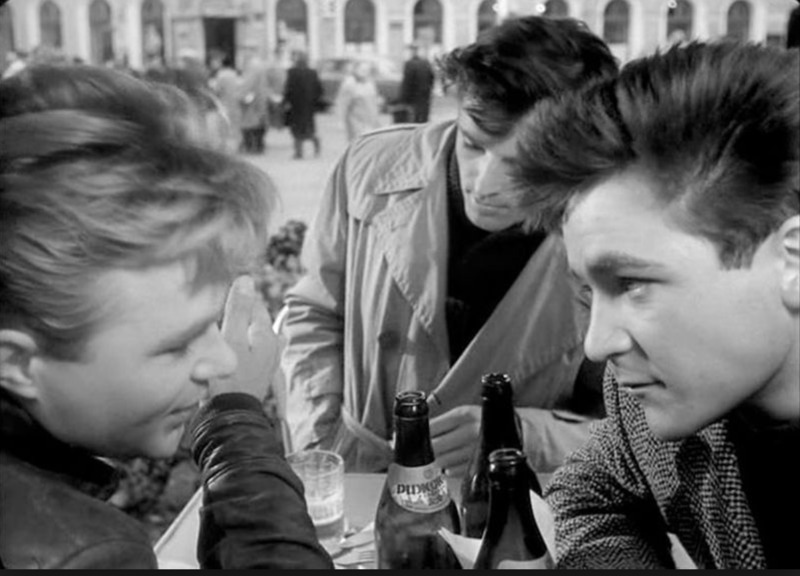
One of the most controversial cities that we covered in this course was the colorful yet tainted city of Moscow. Despite its rich cultural history of groundbreaking art and literature pieces, the city is notoriously known for its Communist era. Moscow is perceived to be a place that struggles with governmental oppression, human rights violations and steep restrictions of free speech that still exist today. However, by the very nature of its repressive past and identity as a restricted society, the modern cultural pressures of modernity and civilian initiatives have begun to chip at Moscow’s reputation. By studying individual accounts of local Muscovites and their perspective attempts of puncturing their city’s stereotype, one can gain insight into local grass root efforts that by their existence threaten the repressive norm. A popular film example of the bubbling change in societal repression is the “I am Twenty” by Maren Khutsiev. The film follows Sergi, a retired soldier presumably coming back from two years of military service where collectivist ideology and the party was at the forefront of duty. As Sergi falls in love with a member of the Soviet elite, he experiences a crisis of wanting to determine what to do with his life. In my blog post covering the film, I argue that Sergi and his generation stand at a flux point in Soviet Russia’s development: a shift away from the repressive collective to a search for one’s own individual voice.
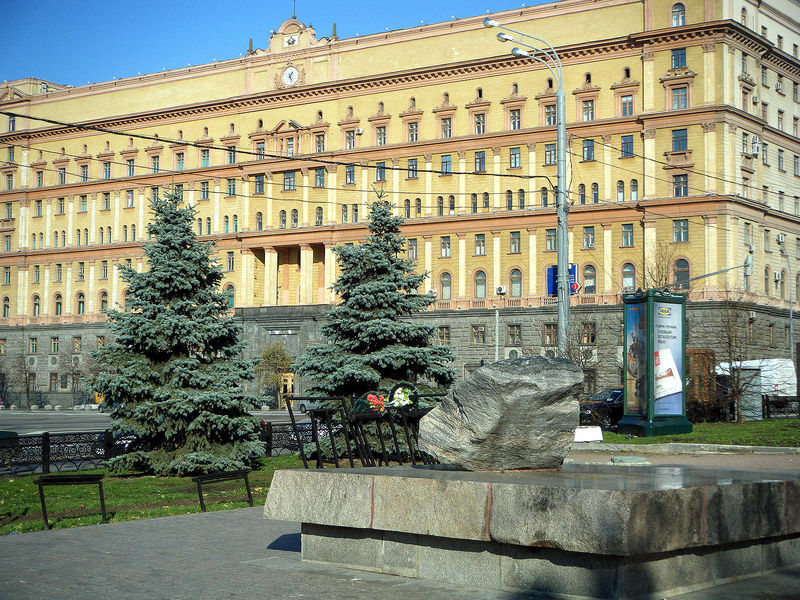
A similar shift away from governmental repression can be seen in remembering one of the greatest stains of Moscow’s contemporary reputation, the USSR “Great Purge” in 1934. The massive paranoia originated in Moscow’s governmental center, and came to arrest 1,108 Communist Party delegates while executing an estimated 10 million Soviet citizens. The tragic circumstances of vast political execution and the suppressed rumblings of gulag labor camps left an incredibly vast scar on Moscow’s collective societal memory as well as its international political reputation. Perhaps even more discomforting has been Moscow’s government reluctance to sufficiently memorialize its horrific past event, dedicating the Solovestsky Stone as the only official commemoration of Stalin’s Terror and not participating in annual remembrances. While the colloquial label of Russian societal repression holds true in many controversial Moscow’s governmental undertakings, Muscovites have found a way to defiantly reshape the collective remembrance of the Terror and make their voices heard in the most sentimental of ways: Private local citizens have begun to share their painful grievances as the true narrative.
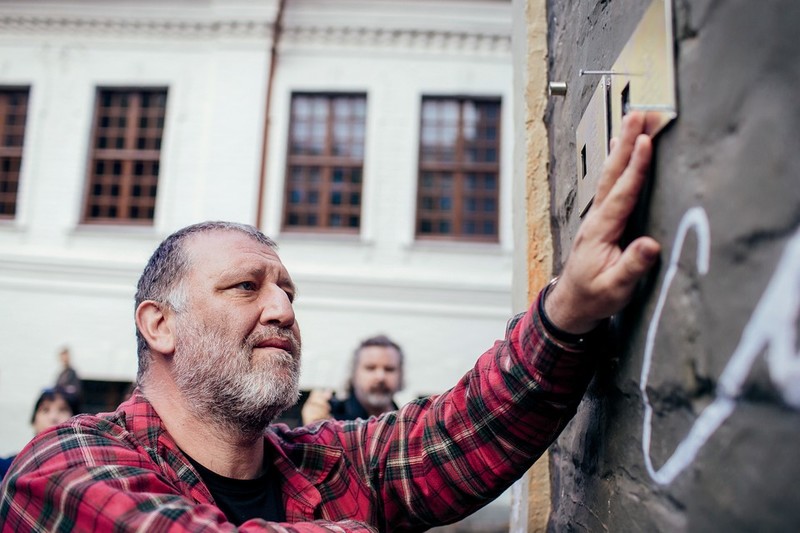
In the southern edge of Moscow’s suburbs stood the Butovsky firing range that killed over 20,000 Orthodox Christians. As a response, the religious community constructed the modern day Butovo Church of New Martyrs, entirely privately financed “to fill the void left by the state.” Perhaps more pervasively has been the “Last Address” civic initiative, founded by local political journalist Sergey Parkhomenko in 2014. The premise of the Last Address initiative is to create constant, visible reminders of the Soviet’s oppressive past by means of placing plaques during victim’s last address before they were executed. The plaques focus on commemorating “ordinary” citizens, whose lives were affected gravely during the Terror. The Last Address has embodied the common civilian outrage and disgust of the government’s refusal to create an adequate memorial. The remorse has taken a productive, if not entrepreneurial, edge: dozens of private incidents combined to create its own public visible memorial, with over 80 installed Moscow plaques to date. The very fact grass-roots initiatives can occur in Moscow today shows the hopeful progression of free speech, puncturing through the blanket statement that the city’s reputation holds as absolute.