Istanbul, Self-labeled Land of Fairytales
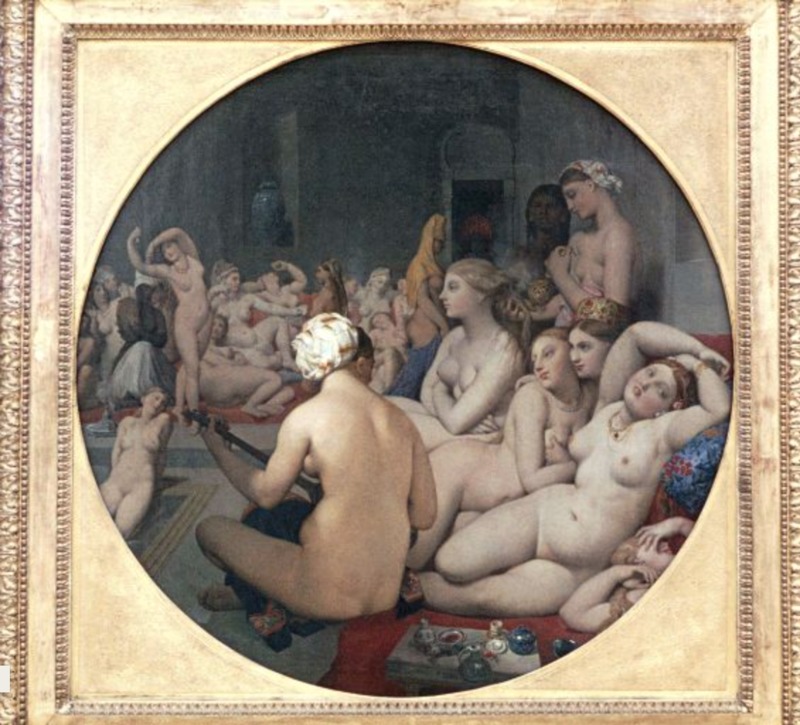
As depicted in tourist advertisements and international cultural fairs, Istanbul has acquired the reputation of a mysticism and spiritual city, a place of honoring antique Turkish culture. The city is often conflated with Orientalist perceptions, an old time city whose population frequents exotic public bathhouses, lavishly decorates their homes with Ottoman era artifacts and feasts with Turkish meals. What the panoptic perspective misses is how locals have rejected, rationalized and reflected on their own cultural pasts: the label of “mystic” does not come with much local embrace. Orhan Pamuk’s “Istanbul” traces the once glorious center of the Ottoman Empire as it struggles to mesh its ethnic past to a foreign globalization movement that idealizes Western culture. Recounting the memory of his family living room riddled with unused Chinese porcleains, crystal glasses and unused desks, Pamuk writes:
“Sitting rooms were not meant to be places where you could lounge comfortably; they were little museums designed to demonstrate to a hypothetical visitor that the householders were westernized.”
- Orhan Pamuk, Istanbul (Ch. 2)
Pamuk’s confusing and impractical living room symbolically represented the disunity of trying to progress past the “backwardness” of Turkish tradition and aspiring to reinvent oneself to modernity. The clash shows a hesitancy to fully embrace the ethnic label that Istanbul has been prescribed.
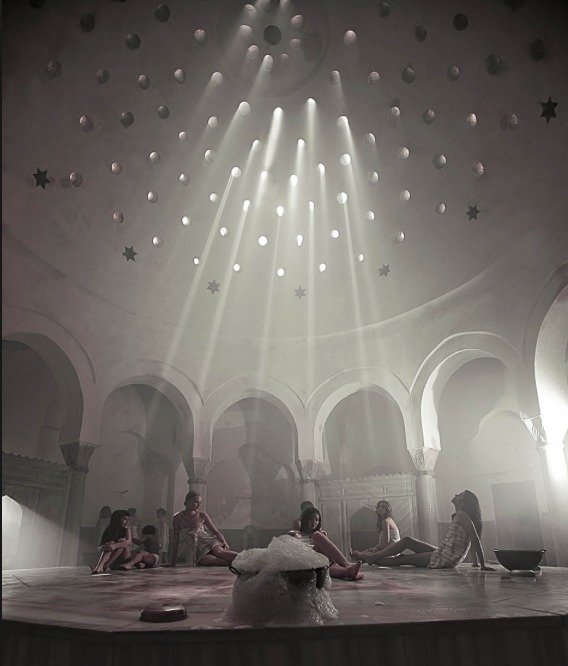
The historical evolution of Turkish bathhouses, investigated through the prism of Istanbul’s world renown Cemberlitas Hamam, precisely portrays local Istanbullus perception of its ethnic past. Originally, Turkish bathhouses were built with the intent to fulfill Islamic law requirements of cleanliness before prayer but dually served as places for social reprieve. During the mid 1850’s, the city of Istanbul commissioned a road expansion project that would impact or eliminate lesser important buildings along the major Divanyolu street to make way for transportation progress. Among them was Cemberlitas since Istanbul wished to prioritize cultural relics that tied them to the West, rather than further distance the cultural gulf between the idealized goal of Westernization. However, during the World Fairs of 1867 to 1873, the Ottoman Empire chose to submit a Cemberlitas modeled bathhouse exhibition as their cultural structure. Ottomans, despite their internal despite of their “outdated” and unhygienic bathhouses, were strongly urged to embrace it as their unique branding against the West. Today, the existence of these bathhouses monetize the dubbed brand, serving as places to attract tourists rather than servicing locals. The classification of Istanbul as a “land of fairytales” on the Cemberlitas website carries a heavier connotation, a jaded acceptance of the title but nevertheless a title many locals would refuse.