Venetian Rule: Capture of the Pantokrator Monastery
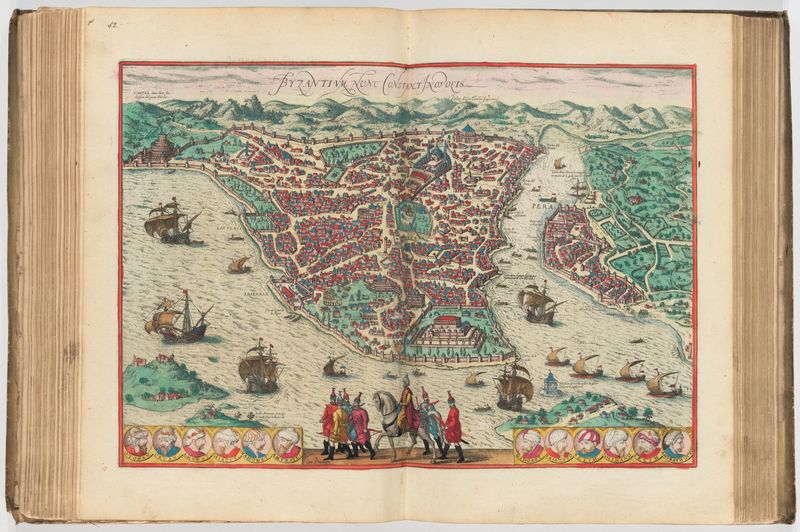
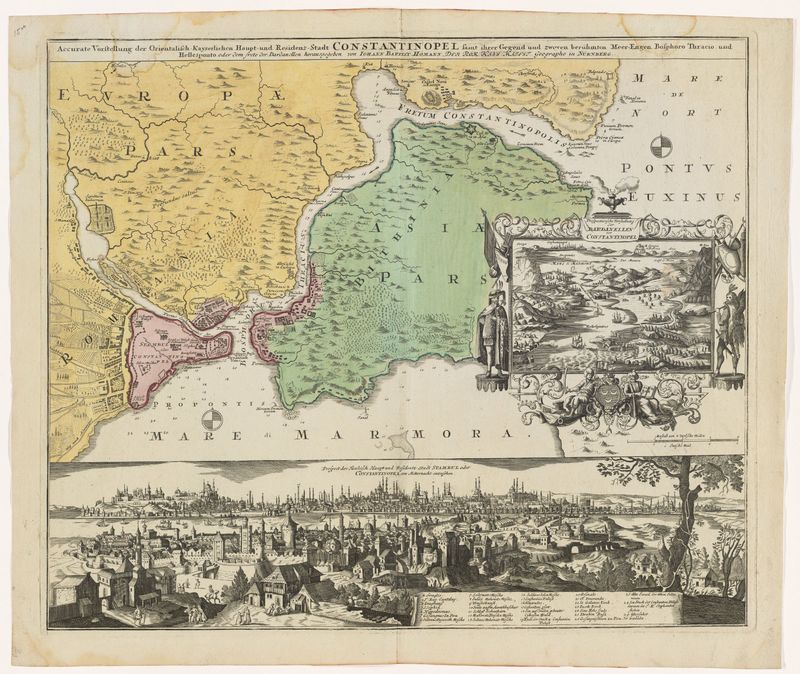
Another critical juncture in the history of the complex occurred during the Fourth Crusade, when the Venetians briefly captured Istanbul and overtook Pantokrator until 1261. During this period of Latin domination, this complex became the see of the Venetian clergy, with the icon of Theotokos Hodegetria, or the Virgin Mary, housed there (2). This complex was also reappropriated as an imperial palace by the emperor Baldwin II, who was the last ruler of the Latin Empire in Constantinople. When the Venetians fled the city, they managed to remove the enameled panels from the iconostasis of the Pantokrator and bring them to Venice, where they became the centerpiece of Pala d’Oro (1). Thus, this physical removal of part of the complex by the Venetians is quite symbolic of the practice of co-opting religious objects for other purposes, even if the new purpose partially aligned with the old in the religious dimension because these panels were used in different contexts and environments. By stripping the enameled panels from the space, the Venetians carried a piece of Byzantine culture with them, transporting and repurposing it to suit their own needs.
(1) "The Stained Glass and Opus Sectile Floor of the Pantokrator Katholikon." Pantokrator Monastery. N.p., n.d. Web. 10 Nov. 2016.
(2) Millingen, Alexander Van. Byzantine Churches in Constantinople. London: Variorum Reprints, 1974. Print.