Introduction, Çemberlitaş Hamam
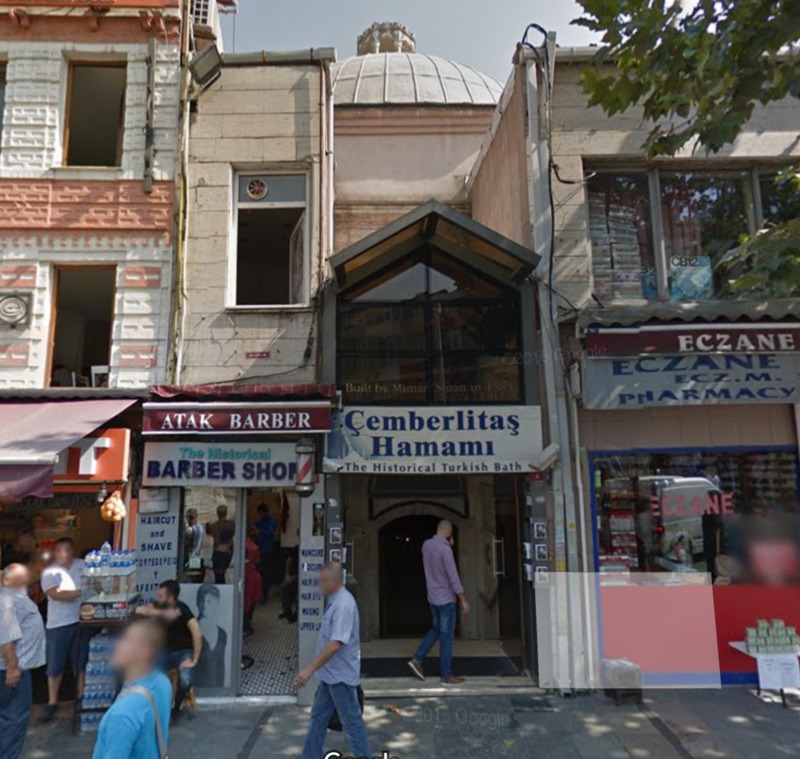
The allure of Cemberlitas Hamas is an understated one, a subtle and deluxe experience that is hidden from the busy Danyolou Street at its exterior. A local barber shop to its left and a medical pharmacy to its right, the entrance is tucked between normalcy and everyday local living in Cemberlitas Square. What it services and the era it reminisces, however, could be anything but colloquially ordinary in today’s context. Cemberlitas Hamas is Istanbul’s oldest public bathhouse in continual use, boasting over five centuries of interacting with city culture since its inception in 1584. Constructed by a private commission from the Sultan family and under the supervision of Mimir Sinan, the site served as a ritual and hygienic cleansing place that abides by Islamic bathing ethics. The bathing saloon was meant to be a typical Islamic hamam, a site with multiple room chambers of various cleansing preferences. The bathhouse was meant to feature two gender separated bathing operations under one dome roof: each quarter was to contain a hot, warm and cool room in open spaces. The philosophy of a bathhouse was to serve all, regardless of outside beliefs of economic status. (1) As a center for socializing and hygiene, the phenomena of Turkish bath houses were dramatically popular and prevalent across Ottoman Empire territories. Cemberlitas, like many others, embodied a then commonplace practice of local living.
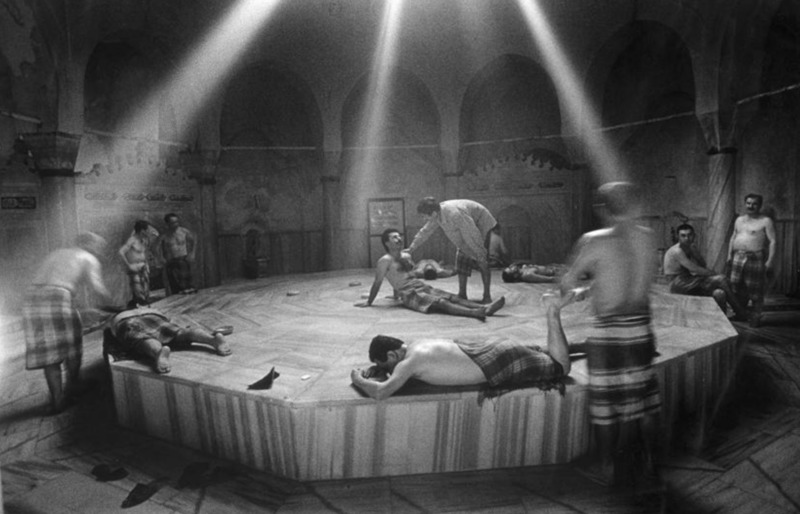
Despite its humble public face and commonality with other Turkish bathhouses, or perhaps because of it, the celebrated and historic Cemberlitas hamam bathhouse is a feature that local Istanbulians today embrace as representative of their city. Branding itself as an experience of “mystical, fairy tale Turkey,” thousands enter Cemberlitas Hamas marble entrance to cleanse and renew. It is a site of perpetual change and its journey of becoming a staple of the Istanbul experience has been one that’s developed over centuries. From being a necessity of hygienic cleanliness to a symbol of Ottoman backwardness to becoming a marketed site for tourist visits, the bath house has remarkably shown a flexibility in the way society reflects on its meaning. Its this bathhouses’ “double identity, a site of excess closed upon itself but also forever open to the full range of its possible significations” that has allowed the site to withstand the test of time. Cemberlitas Hamas’ physical presence and permanence in its services, yet its endless recycling of its societal meaning, that makes it holistically an Istanbul leuix de memorie.