Conclusion
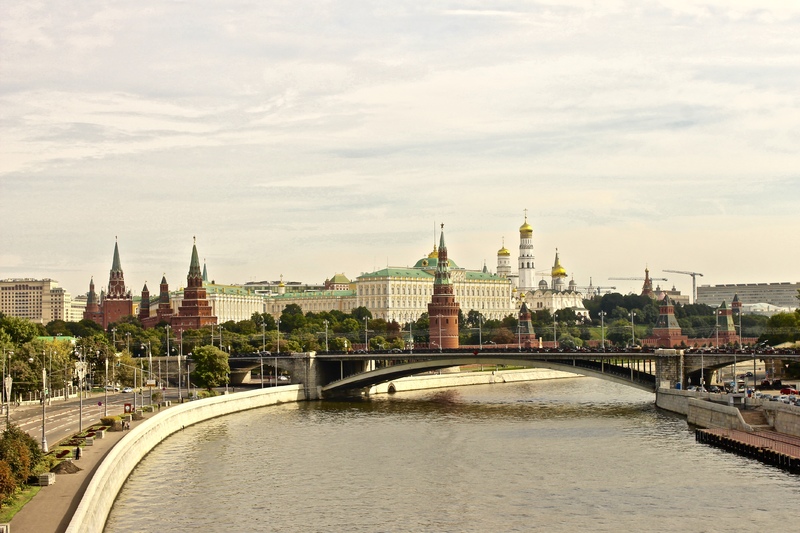
In conclusion, the five churches of this tour convey the unique relationship between the Russian Orthodox Church and the political governments of Moscow. With its vividly colored onion domes, early churches like Saint Basil’s Cathedral represent iconic pieces of Russian Orthodox architecture. Other churches like the Kazan Cathedral and Cathedral of Christ the Savior were both constructed in honor of military victories, destroyed during Stalin’s rule, and reconstructed after the fall of communism. Lastly, newer churches like Church of the Righteous John the Russian and Church of the Holy Trinity at the Borisovo Ponds represent new initiatives by the Russian Orthodox Church to expand their presence in Moscow. Ultimately, the histories of these churches depict the influence that changing political landscapes have had on the urban and religious development of Moscow.